


Xi’an: Where Every Step Whispers History, Every Bite Tells a Story
A Spring Festival Journey for Southeast Asian Travelers
Planning Your Xi’an Trip from Southeast Asia (It’s Easier Than You Think)
To our friends from Southeast Asia, planning a trip to Xi’an is far more convenient than many imagine.
Travelers from Malaysia can take China Eastern Airlines’ daily round-trip flights (MU873/874) from Kuala Lumpur to Xi’an with a short layover in Kunming. Visitors from Thailand and Singapore will also find frequent connections via Guangzhou or Shanghai, with most total travel times under six hours.
All international flights arrive at Terminal 5 of Xi’an Xianyang International Airport (XIY). From there, getting into the city is simple:
- Airport shuttle bus to the Bell Tower or Xi’an Hotel (approx. USD 3, 40–60 minutes)
- Taxi or ride-hailing service (USD 15–22)
- Metro Line 2 for budget-friendly travel (around USD 3.5)
Why it matters: A smooth arrival sets the tone for the rest of your journey. For more detailed transportation guides and real-time flight updates tailored for Southeast Asian travelers, visit https://chinatraveldirect.com/.

Where to Stay in Xi’an: Handpicked Hotels for Comfort & Location
Choosing the right hotel can shape your entire experience. Based on feedback from Southeast Asian travelers, these are consistently well-received options:
- Yun He Ye Bo Hotel (Bell Tower / South Gate)
Located in Xi’an’s historic core, close to the Bell Tower and City Wall. Highly rated for comfort, service, and breakfast. - Xitang Hotel (Giant Wild Goose Pagoda Branch)
Ideal for travelers focused on Tang Dynasty landmarks. Just steps from Datang Everbright City and the North Square Fountain. - Orange Hao Hotel (Yongning Gate)
A great value choice near the City Wall bike rental point, popular with budget-conscious travelers.
A Perfect 3-Day Xi’an Itinerary for First-Time Visitors
Day 1 – History & Night Magic
Shaanxi History Museum → Giant Wild Goose Pagoda → Datang Everbright City at night
Day 2 – Terracotta Warriors & Ancient Palaces
Terracotta Army → Huaqing Palace → “Song of Everlasting Regret” evening show
Day 3 – Kota Xia & Local Flavors
City Wall cycling → Bell Tower → Da Pi Yuan food alleys (a local favorite over touristy Muslim Street)
If you’d like a similar itinerary customized to your dates, language needs, and comfort level, private tours with English-speaking guides make a noticeable difference.
The Terracotta Army: Chills Beyond the Textbooks
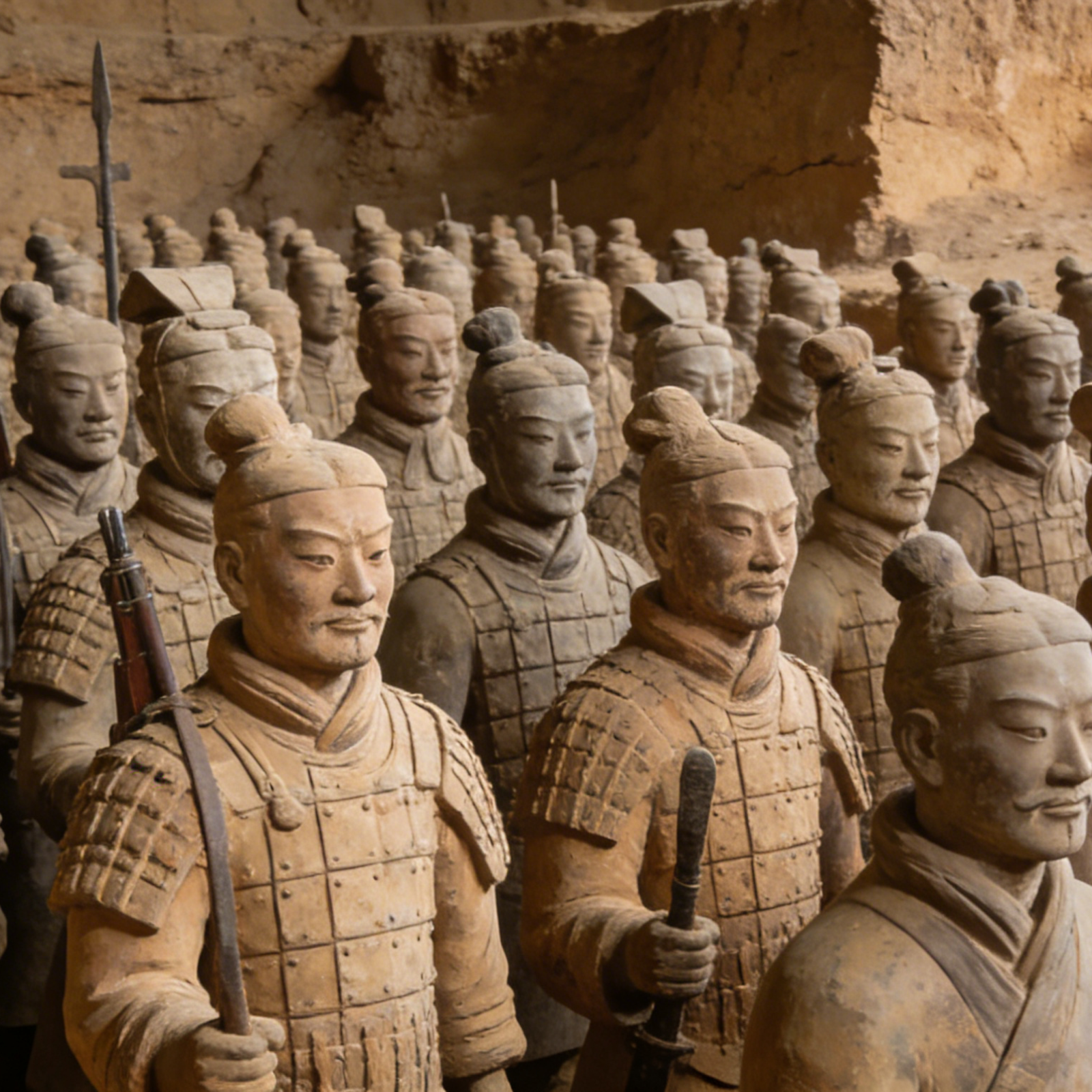
Taylor, a father from Manchester, told me he quietly cried the first time he saw the Terracotta Army. “You read about ancient civilizations,” he said, “but this proves they lived.”
Entering Pit 1 early in the morning, the silence hits first. Then your eyes adjust—and thousands of warriors stand before you, each with a unique face.
Start with the Bronze Chariot Exhibition, then Pit 3, Pit 2, and finally Pit 1. You’ll avoid most of the crowds.
The AR guide reveals the warriors’ original colors, and nearby workshops even let visitors make miniature terracotta figures—especially memorable for children.
Beyond Muslim Street: Where Locals Really Eat
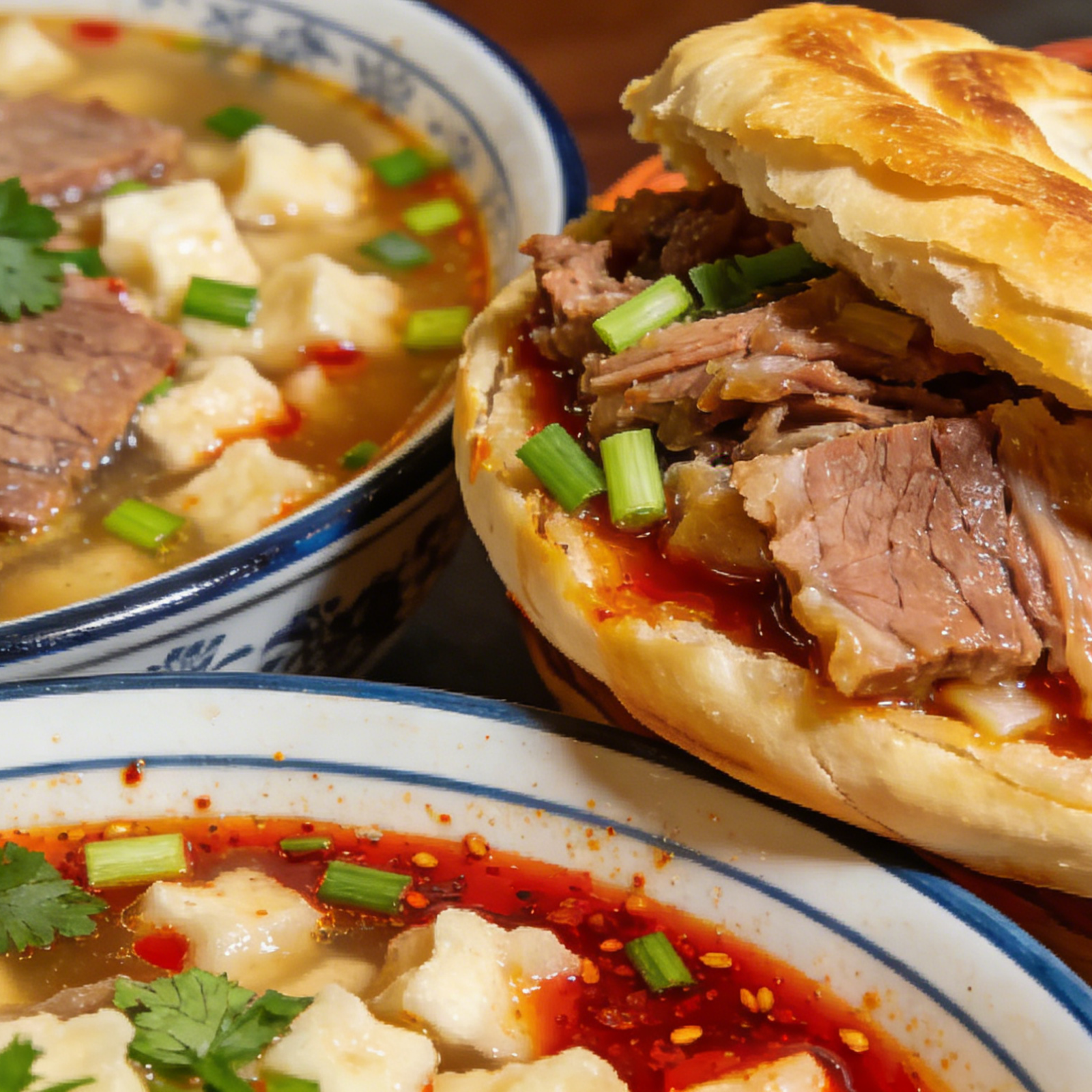
Almost every visitor makes the same mistake—lining up at Muslim Street. Locals gently redirect them to Da Pi Yuan, just five minutes away.
Here, meals cost under USD 5:
- Hand-grabbed lamb (shouzhua yangrou)
- Yangrou paomo, where you tear the bread yourself before it’s cooked into the soup
- Cumin-spiced beef buns at family-run shops
During Spring Festival, lanterns light up the alleys, and festive snacks appear everywhere.
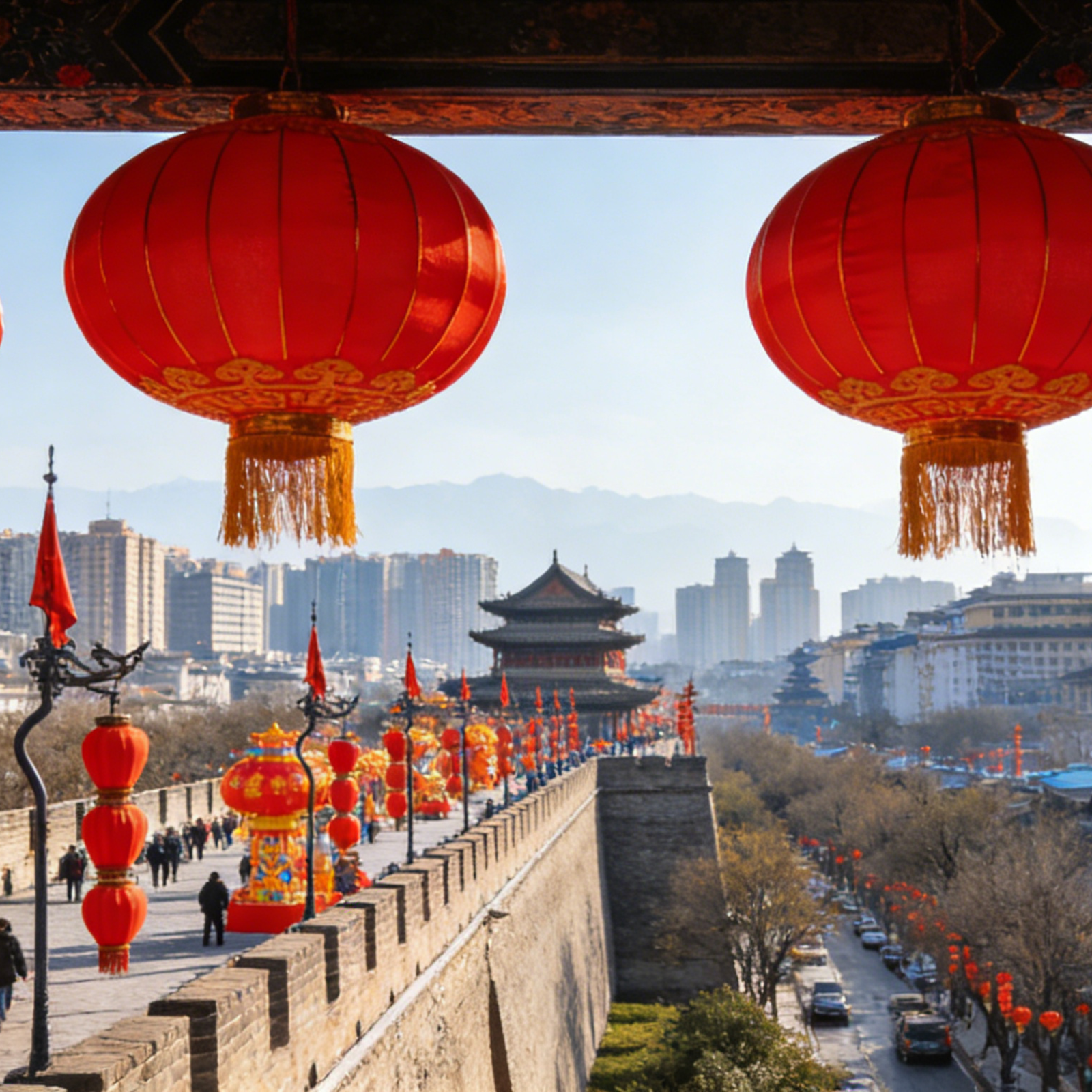
Cycling the Xi’an City Wall (Especially Magical During Spring Festival)
Pam, an 80-year-old traveler from the US, cycled the entire 13.7-kilometer Xi’an City Wall at sunset.
“One side is modern skyscrapers, the other ancient rooftops,” she said. “Two worlds at once.”
During the Spring Festival Lantern Season, the wall becomes a glowing gallery of history—massive horse lanterns, Tang-dynasty parades, and illuminated poetry corridors.
Shaanxi History Museum: Small Objects, Big Impact
Many travelers underestimate this museum. They shouldn’t.
From Tang Dynasty gold cups to 2,000-year-old bronze weapons still sharp enough to surprise modern engineers, the collection consistently leaves visitors speechless.
Paid tickets are inexpensive and far less crowded than free entry—worth every cent.

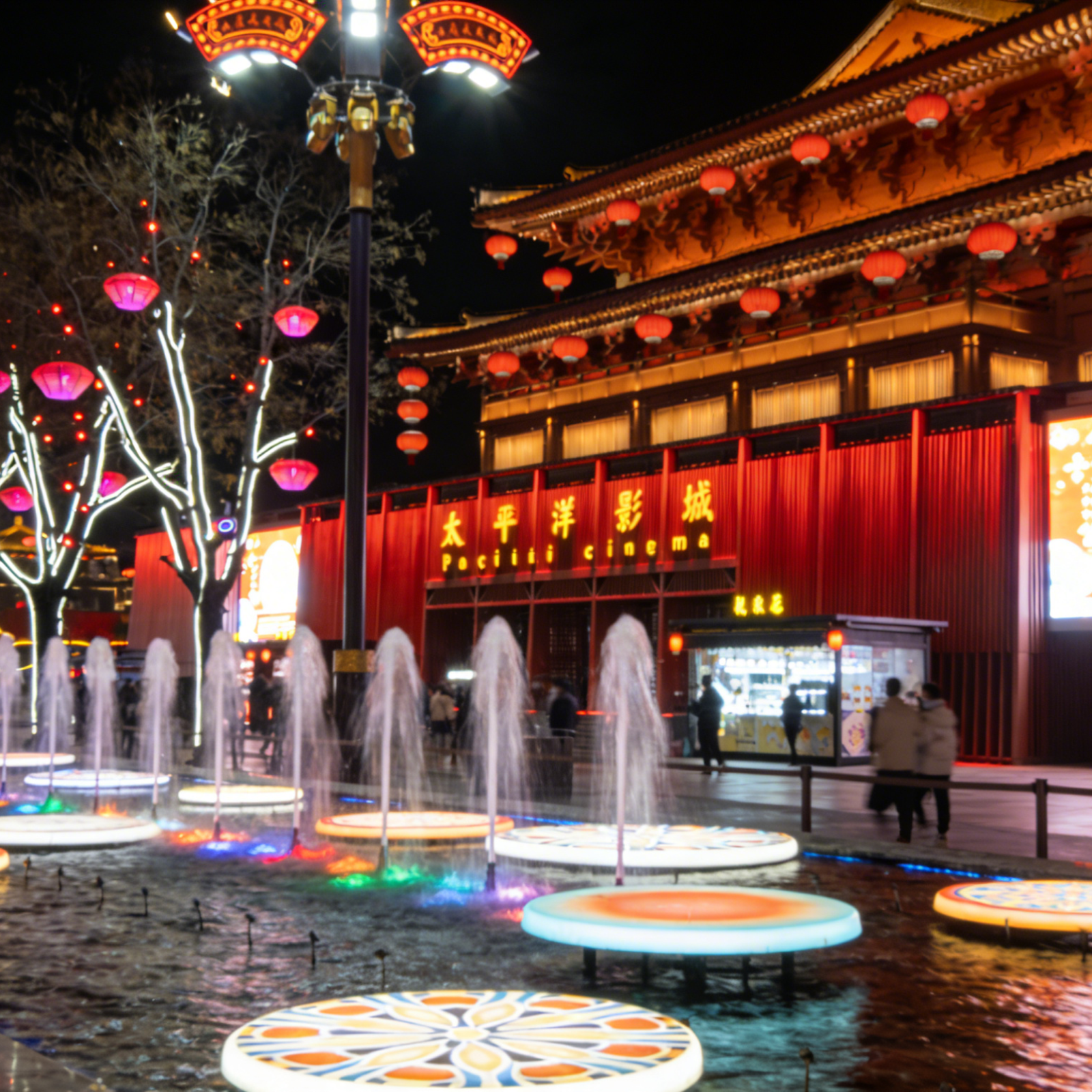
Datang Everbright City: Nighttime Xi’an at Its Most Alive
Free and open 24/7, Datang Everbright City blends Tang-era aesthetics with modern performance art.
During Spring Festival, the street transforms into a sea of light: lantern installations, folk dances, operatic performances, and visitors dressed in Hanfu.
It’s not a show you watch—it’s something you walk through.
Kota Xia: The Living Heart of Old Xi’an
For travelers from Indonesia, locals often describe the old city as “Kota Xia.”
Inside the City Wall, daily life unfolds between temples, teahouses, and market stalls. During Spring Festival, red lanterns fill every street, firecrackers echo, and families gather—this is Xi’an’s soul.
Why Xi’an Stays With You
Xi’an isn’t perfect. Traffic can be chaotic. Weather changes quickly.
But that’s its charm.
You might cry in a museum, eat cumin-scented street food with strangers, cycle ancient walls at sunset, and lose track of time under lantern light—all in one day.
If you’re visiting during Spring Festival, the city doesn’t just welcome you.
It pulls you into its 3,000-year story.
Planning Your Xi’an Journey
This guide is ideal for:
- First-time visitors to China
- Southeast Asian travelers
- Families with children or seniors
- Travelers who prefer private, flexible pacing over rushed group tours
A comfortable 3-day private Xi’an trip typically ranges between mid-range to premium budgets, depending on season and hotel choice.
If you’re planning a Spring Festival visit or want a custom private itinerary with English-speaking guides, feel free to reach out via our official website https://chinatraveldirect.com/ for personalized travel advice and exclusive deals for Southeast Asian visitors.
Xi’an is waiting.

Comment (0)