

In China, silk is more than fabric — it’s a thread of time, spun from patience and precision. This moment — light falling on golden strands — reveals a philosophy: craftsmanship is not a skill, it’s a soul. In every pull, the artisan stretches not only thread, but memory.
Why it matters: In a modern world of speed, this image reminds us that slowness is sacred. That tradition isn’t static — it’s alive, stretching quietly through generations.
To touch a hand worn by years is to feel a story — one without words, yet full of wisdom. This isn’t just a transfer of technique, but a passing of love, respect, and rootedness. In Chinese culture, the hands of elders are living books — written not in ink, but in care.
Why it matters: Culture is not taught, it’s felt. This image honors the invisible transmission of values — where technique becomes heritage, and touch becomes tradition.
In the West, cracks are flaws. In China, they are meaning. This broken ceramic holds a star not despite its fracture, but because of it. It is Wabi-sabi, but more than that — it is Chinese endurance, embracing imperfection as part of truth.
Why it matters: True resilience is not about hiding damage, but illuminating through it. This is the spirit of Chinese making: to let time mark, and let spirit shine.
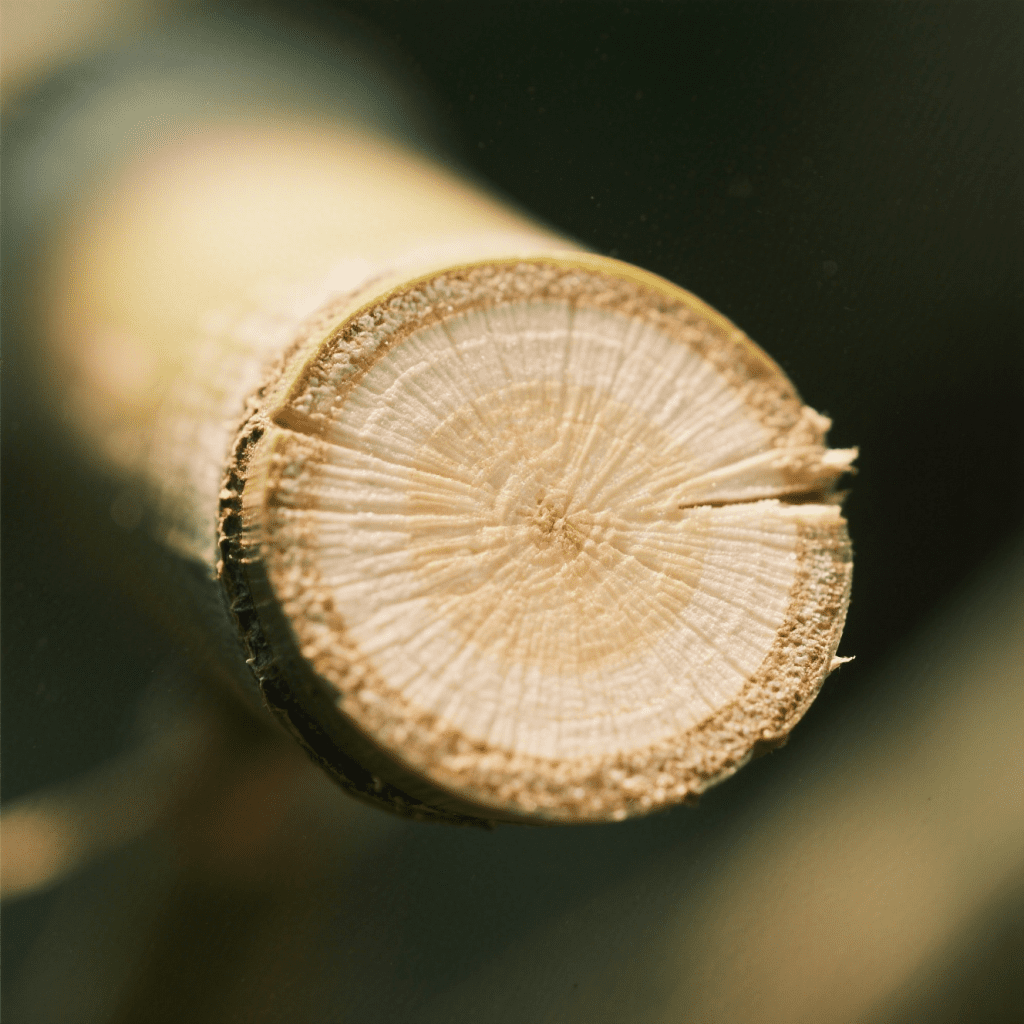
Each ring in bamboo is a story of resilience. Hollow but unbreakable, light yet strong — bamboo embodies the paradox of Chinese philosophy. It bends without breaking, grows in silence, and stands as a symbol of noble strength.
Why it matters: In a world that shouts, bamboo whispers its truth. It teaches us that to endure is not to resist, but to adapt — the very essence of Chinese wisdom.

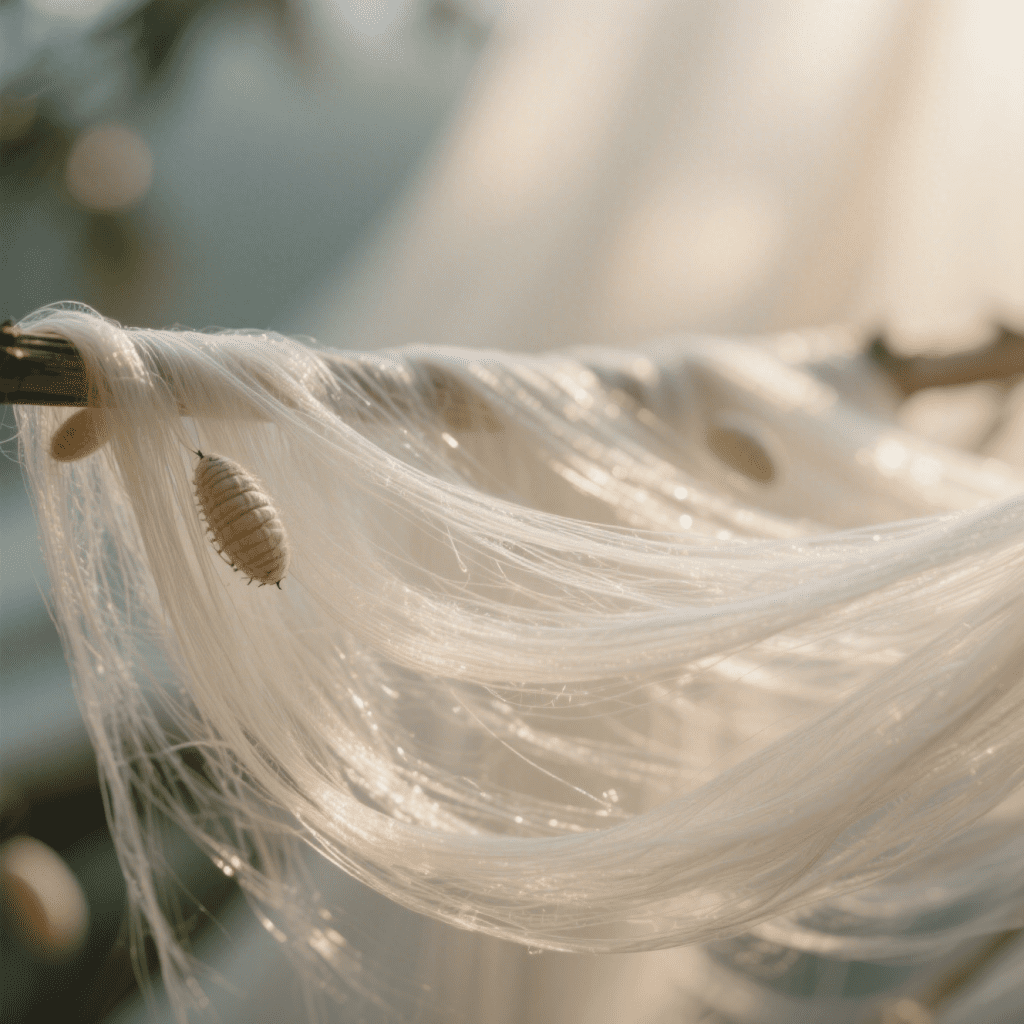
Sericulture is one of China’s oldest arts — a collaboration between human hands and silkworms. The shine of silk here isn’t just visual — it’s emotional. It reflects stillness, care, and time itself.
Why it matters: This image is not just about textile — it’s about transformation. A silent metaphor for how beauty in Chinese culture emerges not from power, but from harmony with nature.

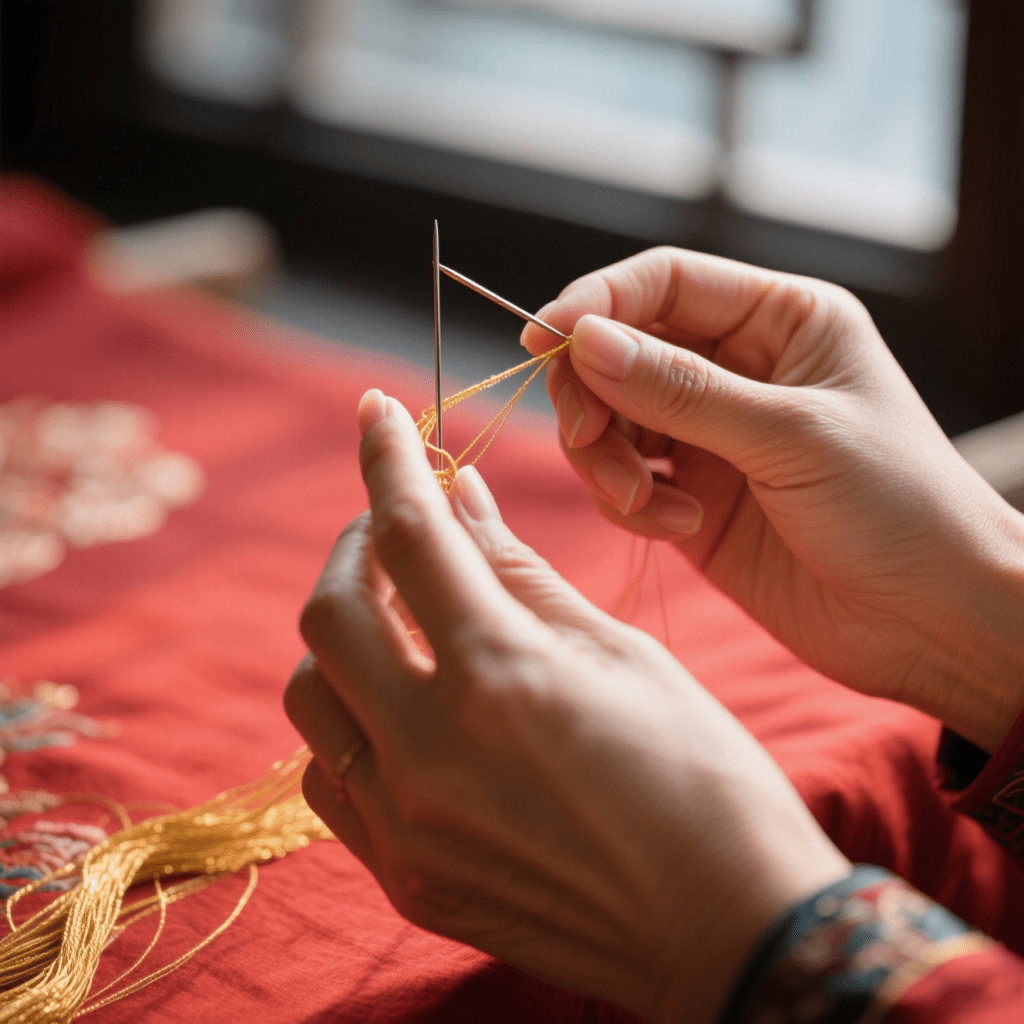
In China, embroidery isn’t craft — it’s ritual. The needle doesn’t just pass thread through cloth, it passes intent through time. This golden thread on red fabric is not decoration — it is devotion, identity, and care woven into form.
Why it matters: Every stitch in Chinese embroidery holds memory. It’s the language of women, of patience, of pride — told in silence, and seen in shimmer.