How to read this city: an actionable culture map

Four threads: Historical depth (how canal trade and tea culture shape one flavor and one vessel); Handcraft detail (how knowledge sits in the hands: weaving, folding, carving); People & places (guilds, wharfs, teahouses); Practicable drills (smallest units you can learn and do). Cycle: see—discern—do.

No commercial booking; budgets are indicative only. Links serve as further reading or reference.

Highlights for International Visitors

Culture · spirit & context

Culture — the city’s soul

Read more

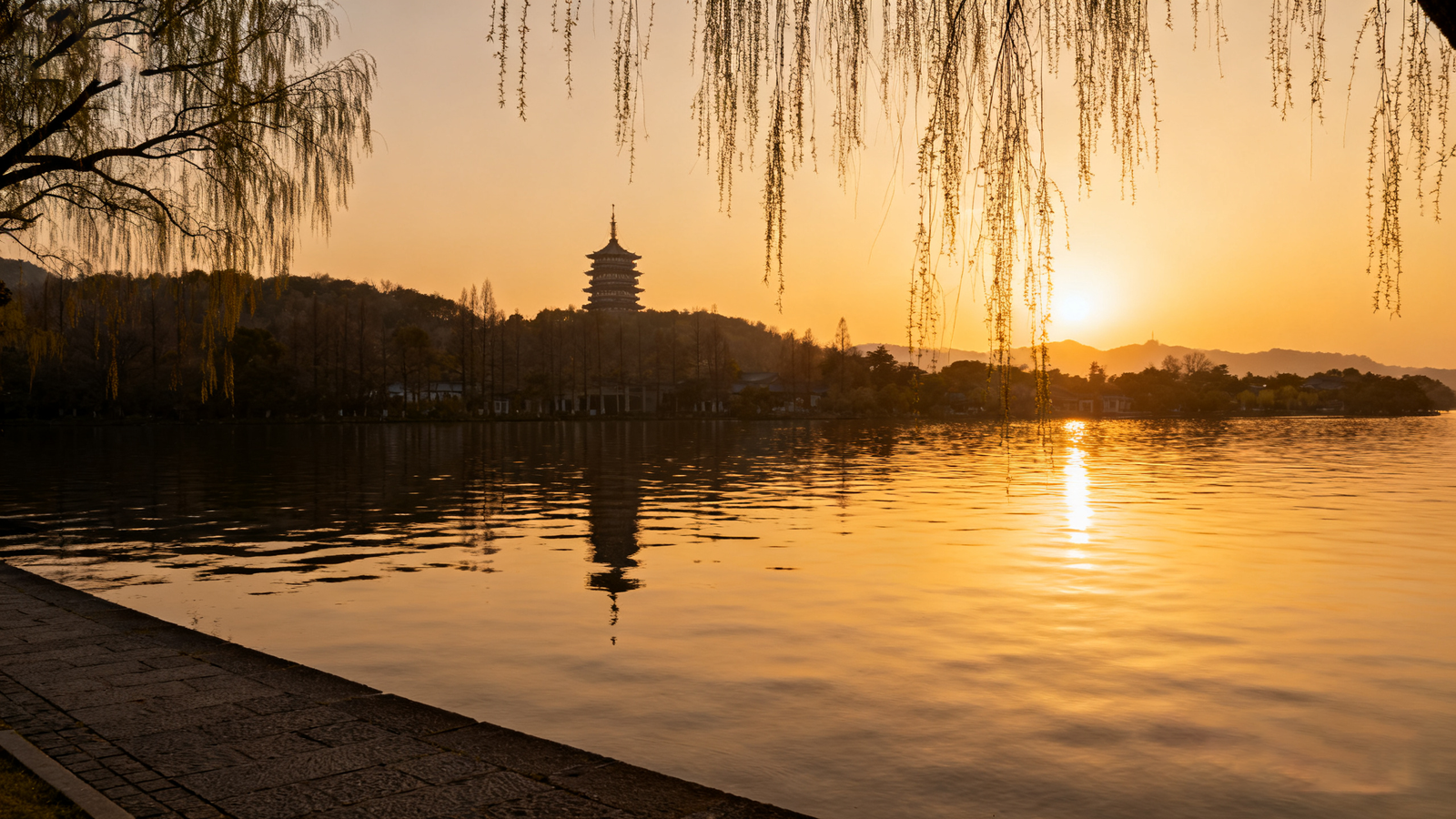
West Lake Cultural Landscape[5]: more than a lake, it is a physical expression of the Chinese ideal of harmony between humans and nature (tian ren he yi). Share how poets and officials like Su Shi and Bai Juyi shaped West Lake, and the poetic aesthetics in the Ten Scenes of West Lake (e.g., "Dawn on the Su Causeway," "Remnant Snow on the Broken Bridge"). Experience: cycle or stroll along Su and Bai Causeways; notice how sun, rain, mist, and snow change the lake's mood.

The Grand Canal[6]: a living World Heritage waterway—the backbone of grain transport and north–south cultural exchange. Experience: Gongchen Bridge & Qiaoxi Historic Block, China Knife-Scissors-Sword Museum and Umbrella Museum, or ride a water bus to feel the slow cinema of the canal.

Zen (Chan) culture: Lingyin Temple & Feilai Feng grottoes[7] offer Song-dynasty cliff carvings and forest quiet; Yongfu Temple[8] feels like a Jiangnan garden, refreshing common expectations of a temple.
Cuisine · light, elegant, seasonal

Food — light elegance on the palate

Read more

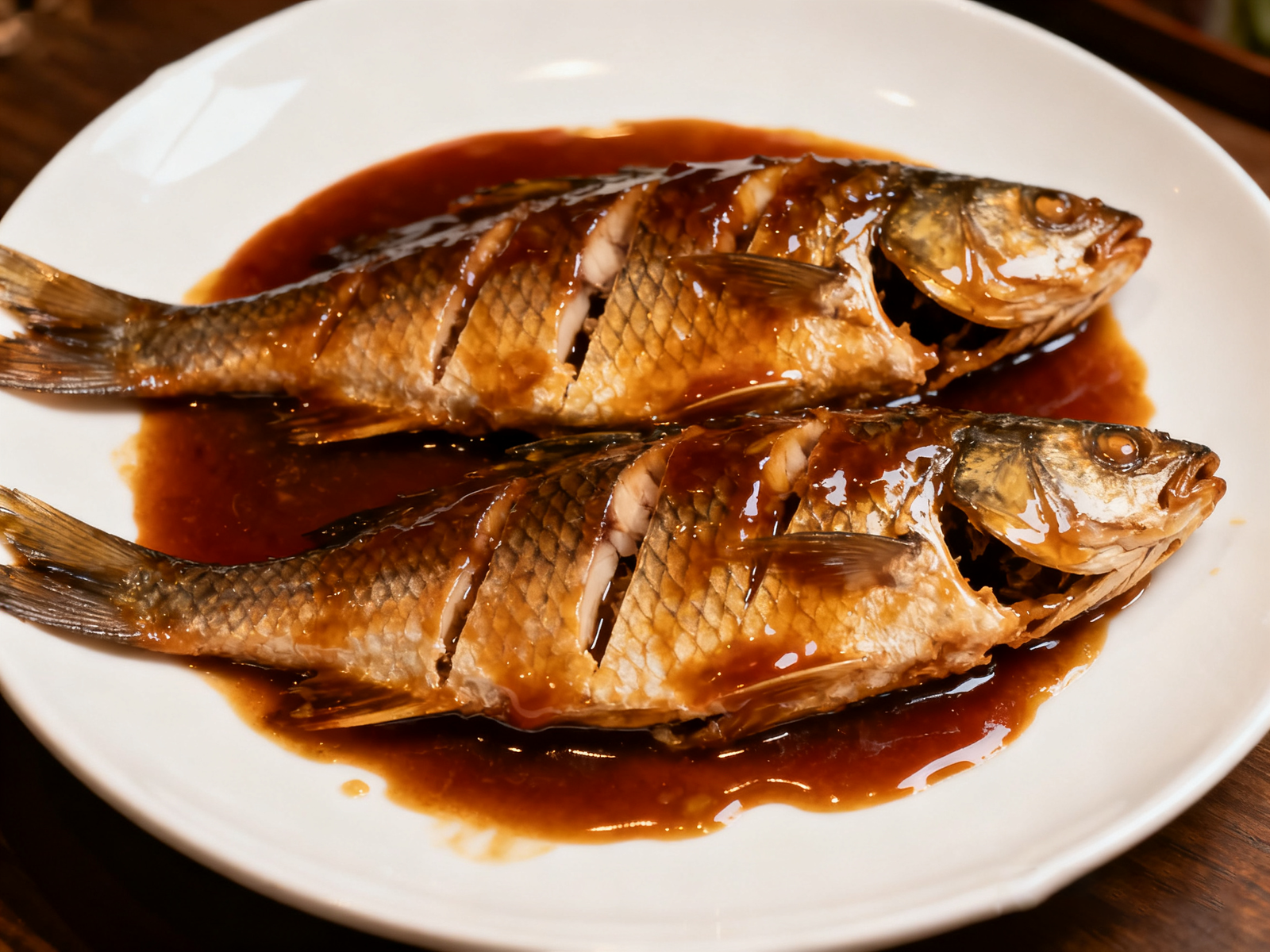
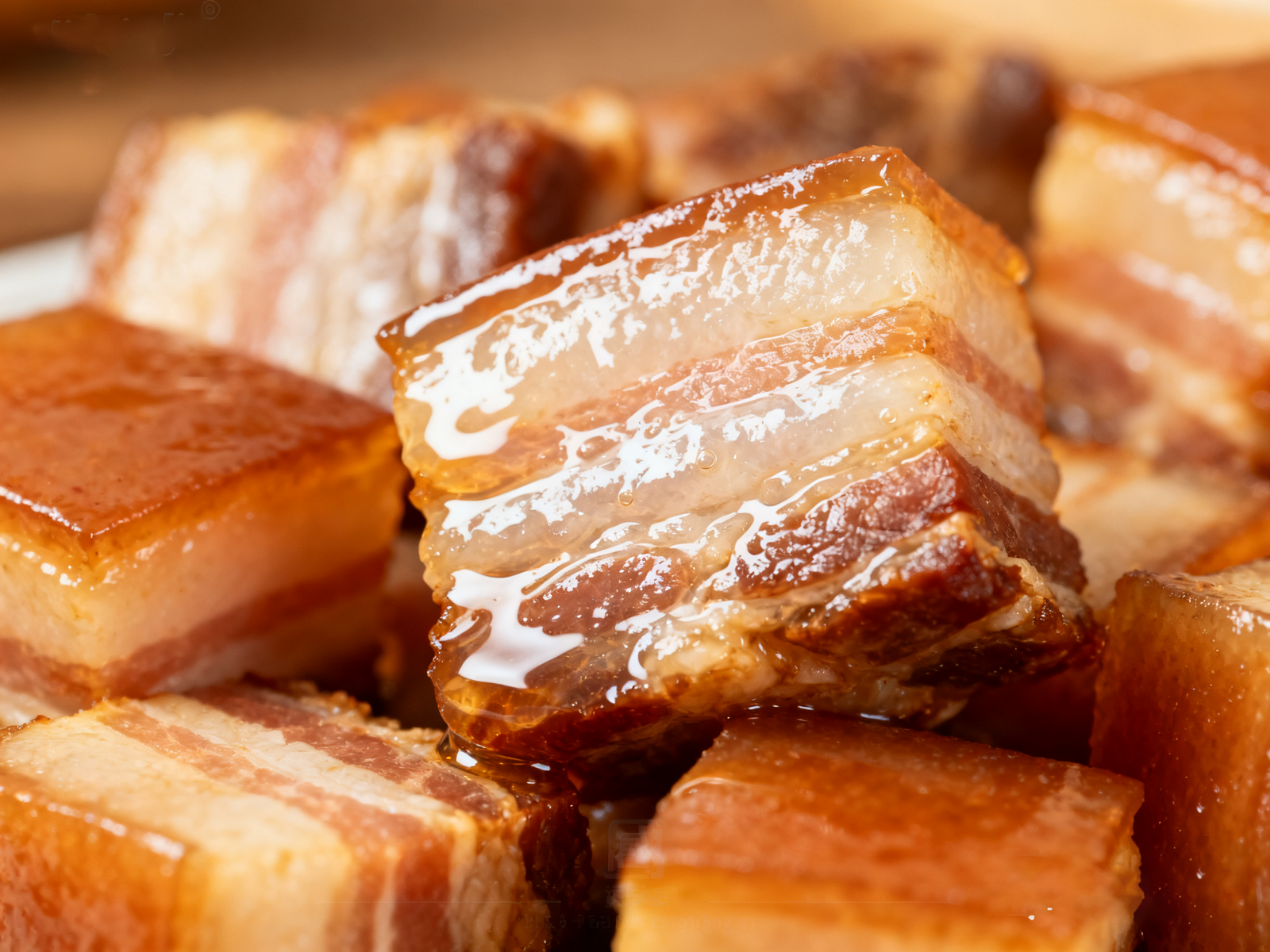
Classic dishes: Dongpo pork (a story-rich, quiver-tender braise), Longjing shrimp (tea aroma meeting river freshness), and West Lake fish in vinegar gravy (heat control and sweet–sour balance).

Snacks & everyday fare: Pian'er chuan noodles (blade-sliced, with snow-vegetable), Dingsheng cake (auspicious Southern Song pastry); visit the Hangzhou Cuisine Museum[9] to taste while learning history, or try tea-based meals in Meijiawu/Longjing Village.

Landscape · beyond West Lake

Scenery — a handscroll beyond West Lake

Read more

Xixi National Wetland Park: punt into reedbeds for hush and wild charm; filming site of popular cinema.

Longjing Village & Meijiawu: step into tea hills to see picking–pan-firing–brewing from end to end; terrace patterns make great photos. Consider the China National Tea Museum[10] for context.

Qianjiang New City: a modern counterpoint to classical Hangzhou—watch the City Balcony light show[11] to feel the city's contemporary pulse.

Intangible heritage · hands-on

ICH — craftsmanship you can touch

Read more

Longjing tea picking & pan-firing in Longjing Village or at the Tea Museum[10]: try core hand-motions such as dou (shake), da (carry), ta (press), na (smooth), then taste your own batch.

Silk-ribbed West Lake umbrellas & Hangzhou embroidery: visit craft studios or the arts-and-crafts museum clusters to learn bamboo-rib structures, silk mounting, or fine stitches.

Woodblock printing & stitched binding: ink a block and bind a booklet at libraries or indie bookshops.

Humanities & lifestyle

Humanities — leisure beside entrepreneurship

Read more

City temperament: slow life by the lake (tea, walks, mindful idling) meets a fast-paced tech scene—an appealing contrast for visitors.

Spaces with character: TSUTAYA BOOKS in heritage buildings; Tianmuli (Tianmu Li) by Renzo Piano—art, architecture, design, fashion; Small River Straight Street & Qiaoxi Historic Block where restored lanes mix cafés, crafts, and homestays with resident life.

Taste Traditions

Tea villages · teahouse cadence · home brewing

Longjing tea & Jiangnan small plates: a daily ritual

Read more

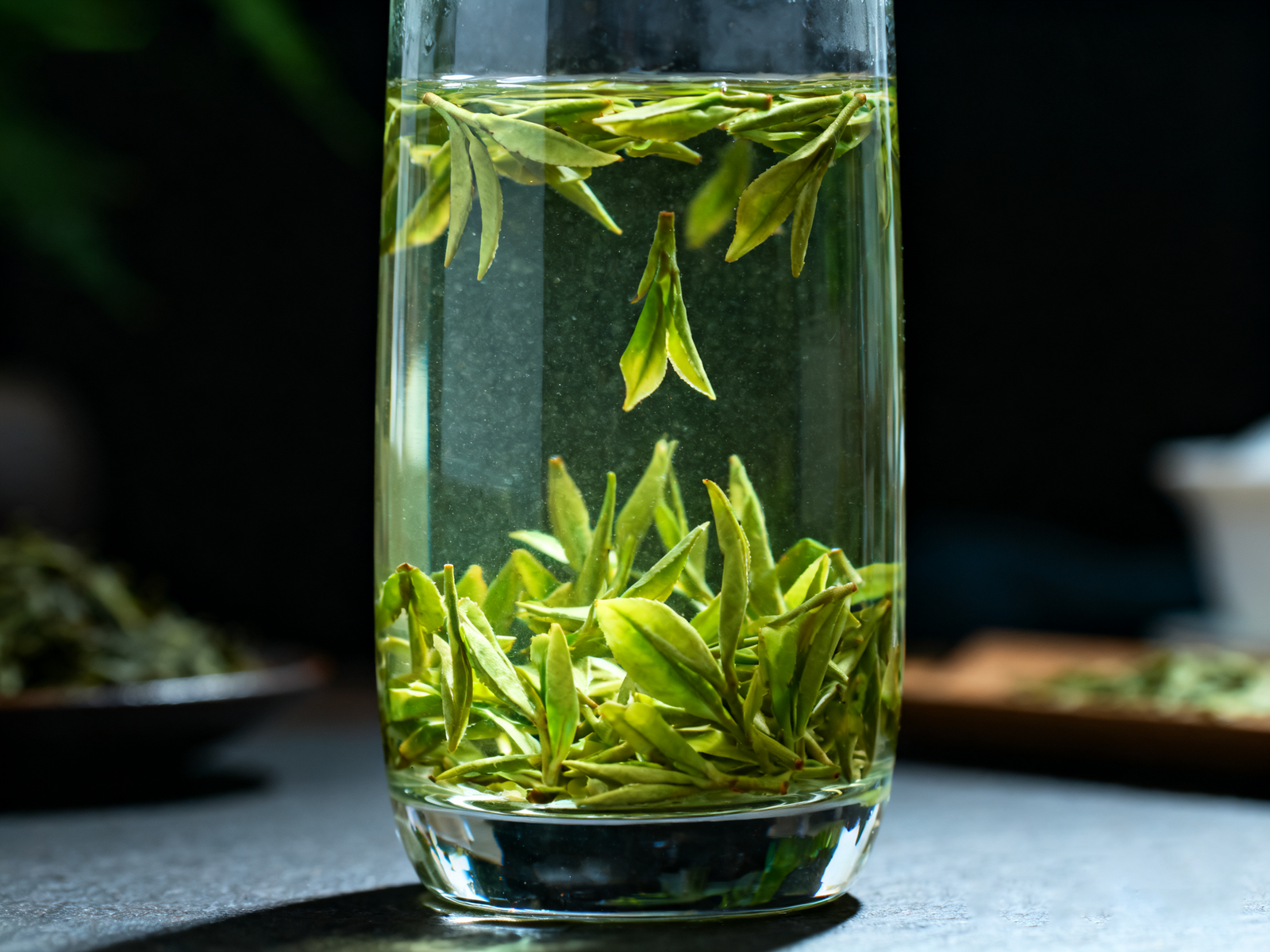
Longjing (Dragon Well) tea:[1] celebrated for flat pan-fired leaves and chestnut aroma; typically brewed in a tall glass at 80–85 °C.

Home drill · Brew Longjing properly (3–5 min):

  1. Warm the glass. Add 3–4 g tea (about a heaped teaspoon).
  2. Pour 80–85 °C water to one-third; wait 15–20 s to pre-wet leaves.
  3. Top up gently to 150–200 ml. Watch the "three up three down" dance. Sip when most leaves sink and the liquor turns jade.

Classic pairings: Longjing shrimp (tender shrimp with tea fragrance), bamboo shoots with oil, seasonal cold plates.

Tea villages & lanes: Longjing Village · Meijiawu (around West Lake); teahouse clusters near Qinghefang/Hefang Street.
Sauce balance · fire control · home practice

Three West Lake classics: vinegar fish · Dongpo pork · Longjing shrimp

Read more

West Lake vinegar fish: sweet-sour glaze poured over just-cooked grass carp; balance tartness with rock sugar and Zhenjiang vinegar.

Dongpo pork: belly cubes braised to "quiver-tender" with wine, soy, and ginger; oil-sealing keeps sheen.

Longjing shrimp: quick stir-fry with tea leaves—keep it pale and tender.

Home drill · Dongpo pork (pressure-pot shortcut, ~60–70 min):

  1. Blanch 800 g skin-on pork belly; cut 4–5 cm cubes; tie if needed.
  2. In pot: 2 tbsp rock sugar, 3 tbsp light soy, 1 tbsp dark soy, 150 ml Shaoxing wine, ginger, scallion, water to half-cover.
  3. Pressure cook 35–40 min → natural release 10 min → lid off to glaze 8–12 min until glossy. Rest before serving.
Streets & clusters: Qinghefang/Hefang Street for classics; Grand Canal (Gongshu) for eateries along the water. Avg spend: set menu ~ ¥60–150/person depending on venue.
Breakfast & noodles · market rhythm

Pian'er chuan noodles, scallion pancakes, and market snacks

Read more

Pian'er chuan: thin blade-sliced noodles with snow-vegetable and bamboo shoots—clean broth with a savory edge.

Scallion pancakes: layered and flaky; best fresh off the griddle.

Street grammar: soy milk + youtiao, sesame cakes, and seasonal rice cakes—find them near morning markets.

Dense strolling: Hefang Street · Southern Song Imperial Street; Canal-side lanes in Gongshu; tea village snack stalls in Meijiawu.

Stage & Handcraft

Lyrical tones · water sleeves · role types

Yue opera & Kunqu: the city's soft voice

Read more

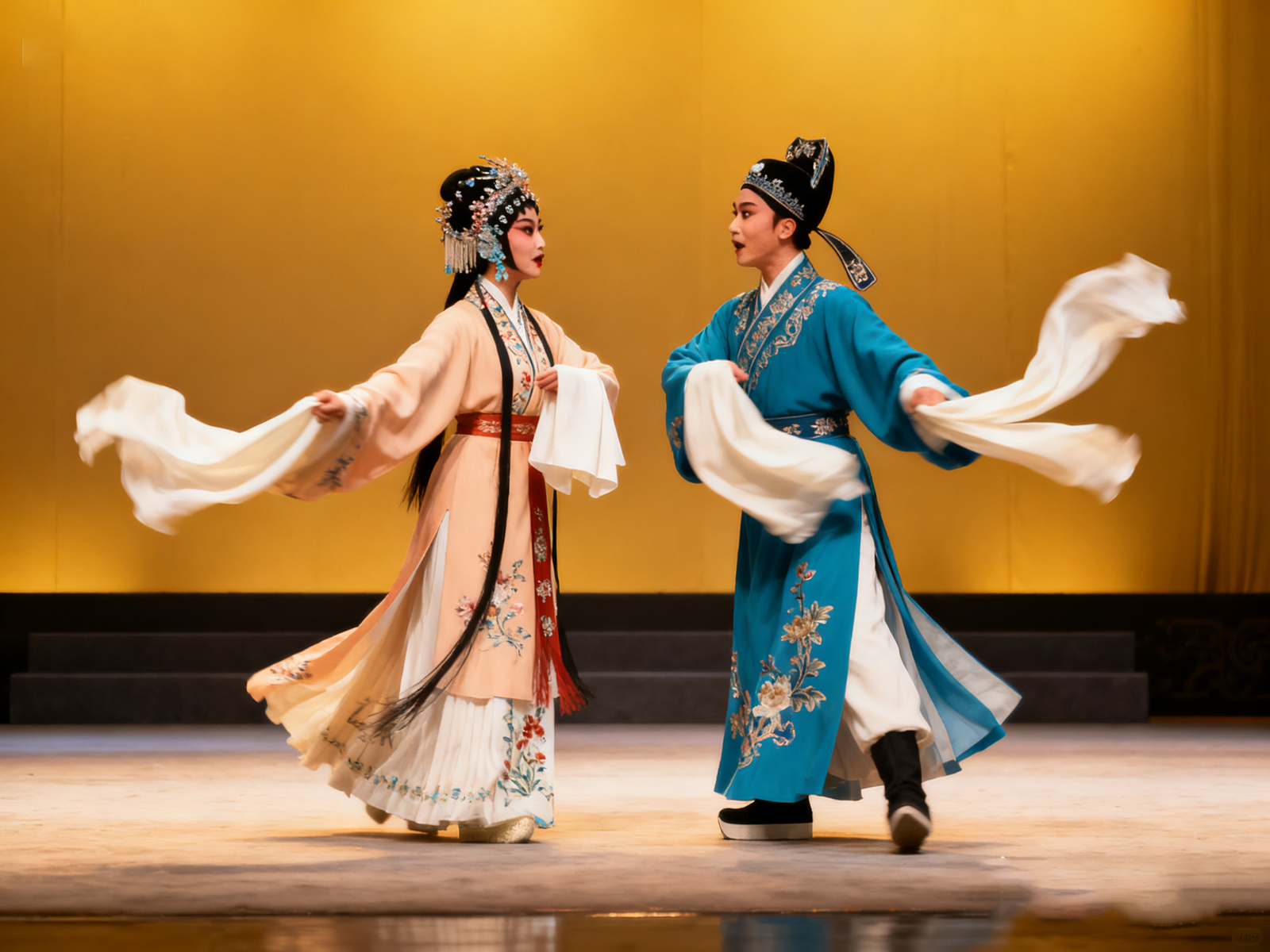
Yue opera (Shaoxing opera):[2] famed for lyrical duets and female leads; focus on breath, sleeves, and eye work.

Kunqu: refined gestures and poetic recitative; slower tempo, emphasis on hand-eye-body method.

Viewing primer: track sleeves and gaze at transitions; listen for banqiang (melodic frameworks) and how percussion punctuates emotion.

Where to watch: Zhejiang Yue Opera Theatre, small theatres near West Lake and Wulin area; check schedules or reserve in advance.
Silk & brocade · fans & paper · steel & edge

Silk weaving · fan-making · bamboo paper · scissor forging

Read more

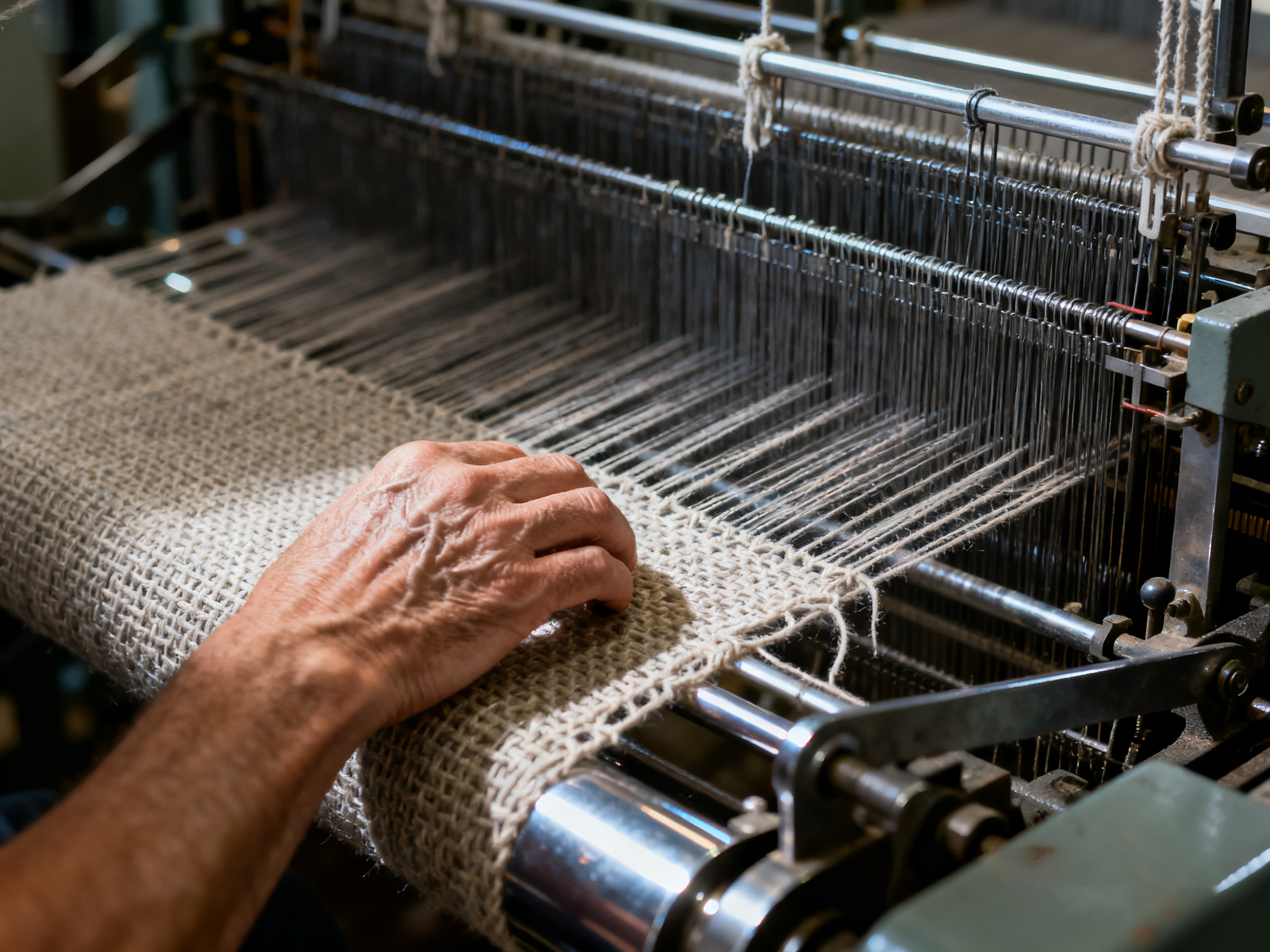
Silk weaving/brocade: Hangzhou silk (e.g., gauze and brocade) highlights delicate warps and subtle sheen.

Fan-making: folding-fan ribs, paper/silk mounting, and calligraphy—balance between flexibility and arch.

Bamboo paper (Fuyang): bamboo pulping and sheet-forming techniques from nearby valleys.

Scissor forging: tempering and edge geometry for durable everyday tools.

Where to try: Qinghefang Intangible Heritage Street; China National Silk Museum (workshops); Fan Museum studios; select tool shops offer short demos.

Seasonal Rituals

Tea picking · osmanthus season · Mid-Autumn

Longjing picking & osmanthus: Hangzhou's seasonal calendar

Read more

Longjing picking window: around Qingming to Guyu (late Mar–Apr), when buds are tender and aroma bright.

Osmanthus season: Sept–Oct; blossoms scent lanes and sweets (osmanthus cakes, wine, and syrups).

City rhythm: dawn tea fields, dusk lake walks, and moon-viewing near Leifeng Pagoda during Mid-Autumn.

Dragon boats · river tide · safety first

Dragon Boat[4] & the Qiantang Tidal Bore[3]

Read more

Dragon Boat: races on rivers and lakes across the region; drums lock stroke rate and team breathing.

Qiantang Tidal Bore: a dramatic tidal surge usually peaking around Mid-Autumn; watch from designated platforms only.

Viewing tips: follow local guidance on safe zones; avoid riverbanks during peak surges; bring ear protection if sensitive to loud surf.

Timeline: a leaf, a dish, a lake

Tea hills to teahouses: Longjing villages inform daily brewing rituals.

Wharf to workshop: canal-side commerce nurtured silk and fan crafts.

Lake to greenway: West Lake paths align with seasonal walks and festivals.

Modern Expressions

Grand Canal block · workshops · night strolls

Gongshu Grand Canal × Qiaoxi: industry to culture

Converted warehouses and waterfront lanes host small museums, cafes, and craft studios; canal boats and footpaths invite slow observation.

Walking tip: trace old docks, then cut into back-lanes to find fan and silk studios.

West Lake icons · causeways · evening light

Su Causeway × Bai Causeway × Leifeng Pagoda

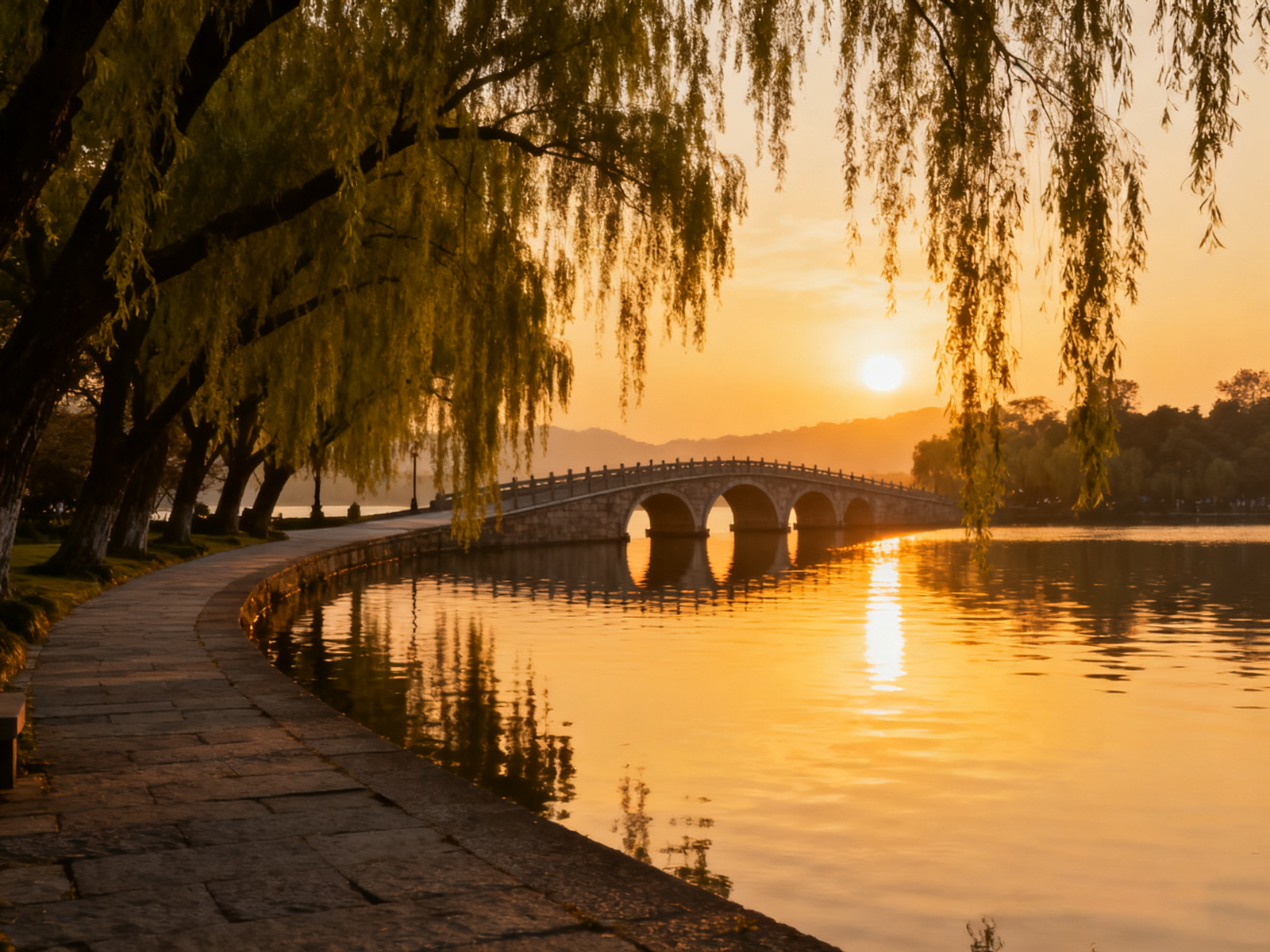
Willows, bridges, and pagoda silhouettes create layered frames; reflections make dusk especially photogenic.

Seasonal notes: spring tea; summer lotus; Mid-Autumn moon; winter mists.

Day trips

  • Liangzhu Archaeological Site Park: ancient city remains and museum galleries northwest of Hangzhou.
  • Longjing & Meijiawu tea villages: pick, pan-fry, and brew with views.
  • Qiandao (Thousand-Island) Lake: scenic reservoir in Chun'an County for cycling and boat routes.

Urban Ecology

Lake & wetland · hills & springs · best times

West Lake · Xixi National Wetland · Nine Streams & Eighteen Gullies

West Lake: dawn along Su Causeway avoids crowds; sunset near Leifeng Pagoda for silhouettes.

Xixi Wetland: boat paths and boardwalks—best on still mornings.

Nine Streams: shaded creek walk in tea hills—go early in warm months.

Slow route: Su Causeway loop → Museum path near the Silk Museum → canal segment at Gongshu (evening).

Quick glossary

Tea & cuisine
Longjing (Dragon Well) tea
Flat pan-fired green tea from villages around West Lake; brew at 80–85 °C in a tall glass.
West Lake cuisine
A branch of Zhejiang cuisine known for clear broths, gentle sweetness, and seasonal produce.
Oil-sealing (you men)
Finishing technique for glossy braises like Dongpo pork—reduces moisture loss and adds sheen.
Stage/handcraft
Yue opera (Shaoxing opera)
A lyrical opera style popular in Zhejiang, noted for duets and graceful movement.
Banqiang
Melodic-rhythmic frameworks guiding tune variation and percussion cues in opera.
Brocade (duan)
Rich silk weave with patterning formed on the loom.
City/season
Osmanthus (guihua)
Fragrant blossoms in early autumn used in cakes, wine, and syrups.
Qiantang Tidal Bore
A fast-advancing river wave; observe from designated platforms for safety.

Map & Routes

How to read this map (examples)

  • Tea & lake day: Longjing Village → Su Causeway loop → Leifeng sunset.
  • Canal & craft: Gongshu canal paths → Qiaoxi workshops → evening boat.
  • Wetland & lanes: Xixi morning boardwalk → Silk Museum path → Hefang snacks.

FAQs (knowledge-first)

How do I brew Longjing without scalding it?
Use 80–85 °C water, pre-wet the leaves for 15–20 seconds, then top up. When most leaves sink and the liquor turns jade, it's ready.
When is West Lake at its best?
Dawn for quiet paths; dusk for silhouettes and reflections. Seasonal highlights: spring tea and willow green; summer lotus; Mid-Autumn moon; winter mists.
First-time route for food and craft?
Start with a Longjing brew at a teahouse → lunch of vinegar fish or Dongpo pork → silk or fan workshop near Qinghefang → sunset on Su Causeway.

Notes & Authoritative Sources

  1. Longjing (Dragon Well) teaUNESCO ICH: Traditional tea processing techniques and associated social practices in China (2022); CNIPA: Longjing Tea geographical indication overview; GB/T 18650-2008 (Longjing Tea GI product standard, English abstract); background overview in The Tea Guardian: Longjing (Dragon Well).
  2. Yue opera (Shaoxing opera)Encyclopaedia Britannica: Zhejiang – Cultural life (mentions Yue opera); Zhejiang Xiaobaihua Yue Opera Troupe (official intro); ChinaCulture.org: Shaoxing (Yue) Opera.
  3. Qiantang Tidal BoreHangzhou Municipal Culture & Tourism: Tidal Bore Watching Guidelines; Encyclopaedia Britannica: Tidal bore (definition); eHangzhou.gov: Qiantang River tidal bore (news).
  4. Dragon Boat FestivalUNESCO ICH: Dragon Boat festival.
  5. West Lake Cultural LandscapeUNESCO World Heritage listing; background & scenes via Hangzhou official tourism.
  6. The Grand CanalUNESCO World Heritage listing; museums & routes via official tourism.
  7. Lingyin Temple & Feilai Feng — overview and visiting info via Hangzhou official tourism.
  8. Yongfu Temple — garden-temple features and visiting info via official tourism.
  9. Hangzhou Cuisine Museum — exhibitions, tasting, and demos; see official tourism or the museum info page.
  10. China National Tea Museum — collections and activities; official site (EN).
  11. Qianjiang New City light show (City Balcony) — schedule & viewing guidan