The Eight Cuisines of China weave together regional flavors, carrying both memory and emotion across the land.
Shandong (Lu)
Savory · Umami · Briny
Originating from the Qi and Lu states in the Spring and Autumn period, Lu cuisine is often regarded as the only spontaneously formed tradition among the Eight. By the Ming and Qing dynasties, it underpinned palace cuisine. Masters of stocks and seafood, Lu chefs prize clean salinity and umami, echoing Confucian refinement.
Core Techniques
"Bao" explosive stir-fry
Braising
Deep-frying
Stewing
Signature Dishes
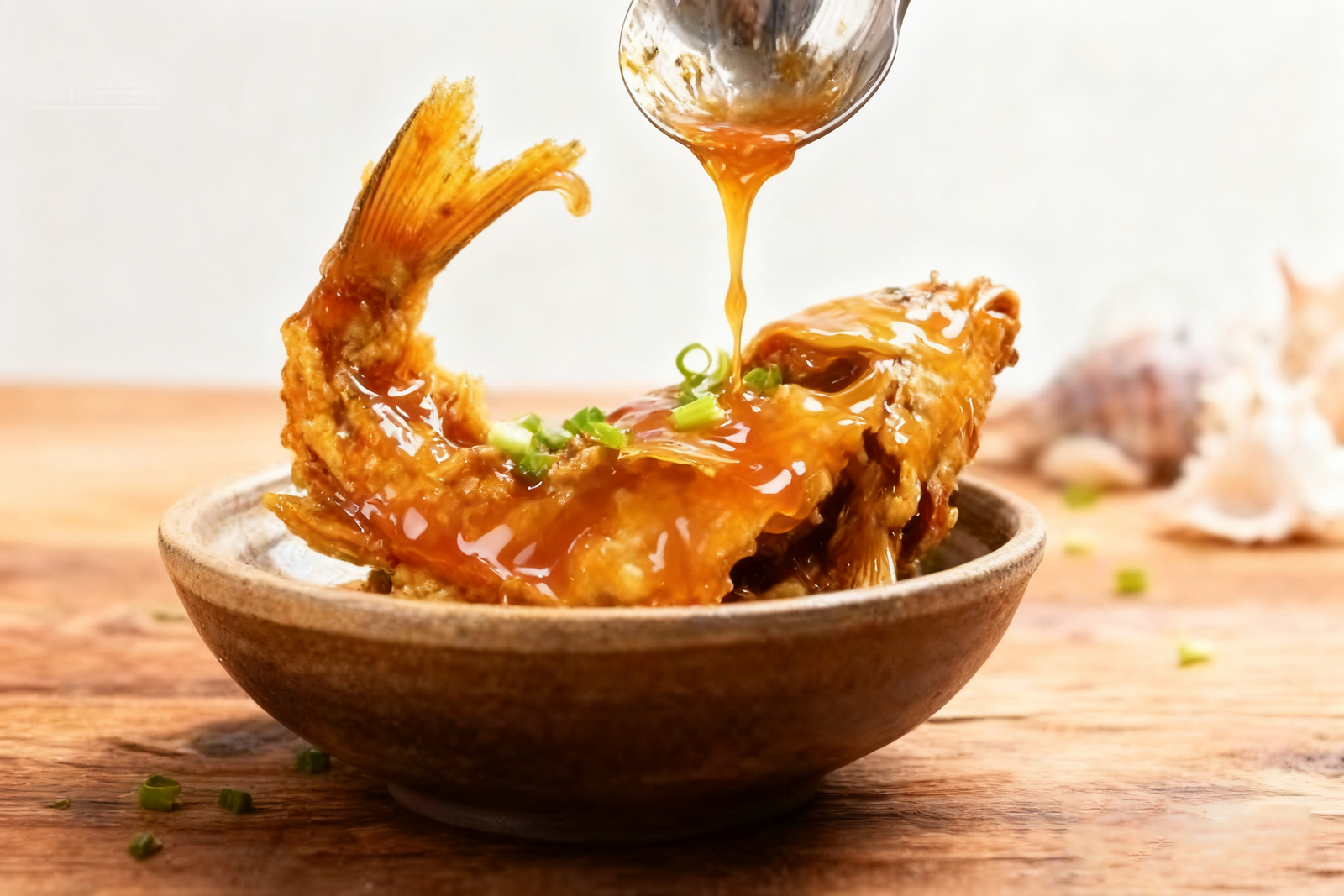
Sweet & Sour Carp
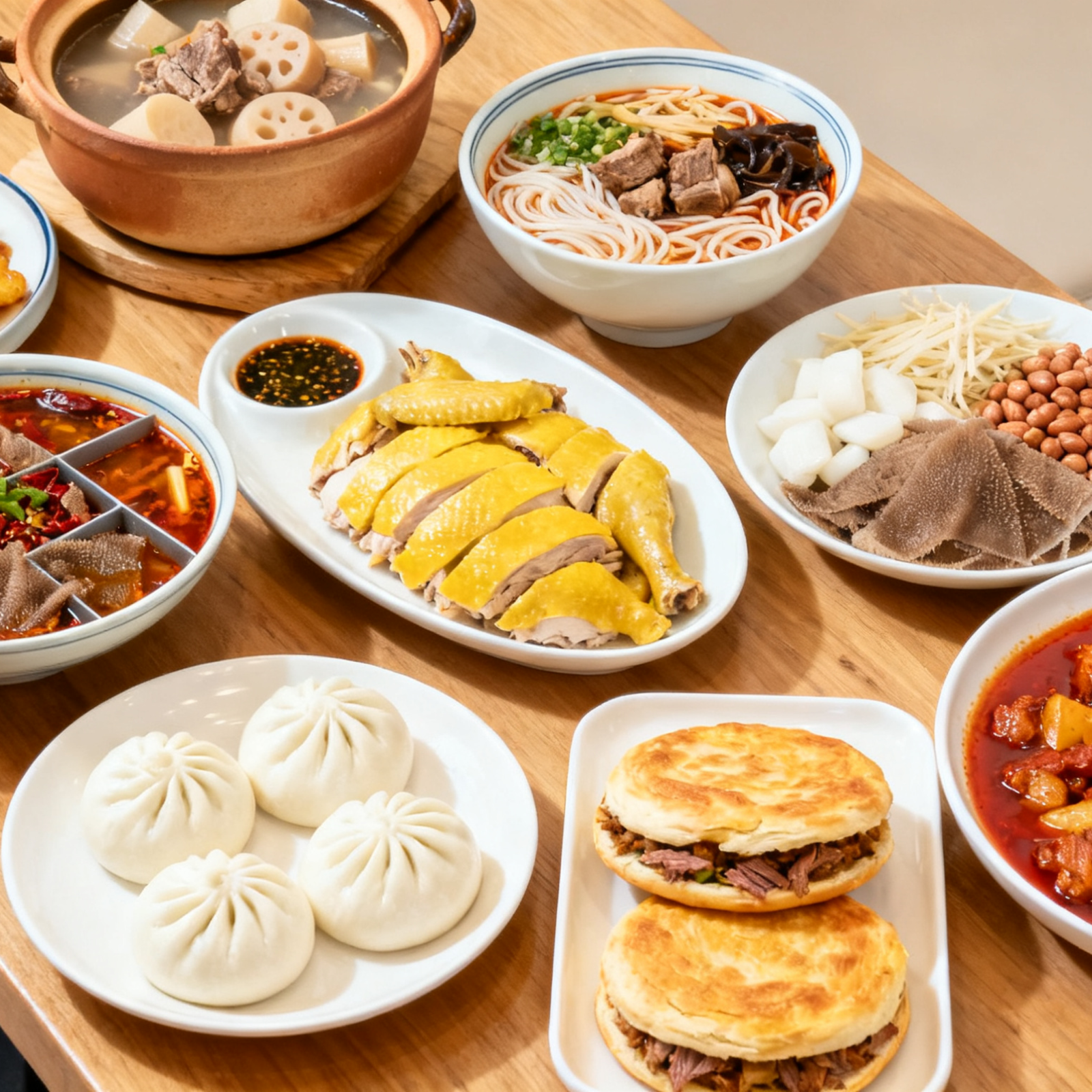
Dezhou Braised Chicken
Braised Intestines in Brown Sauce (Jiu Zhuan Da Chang)
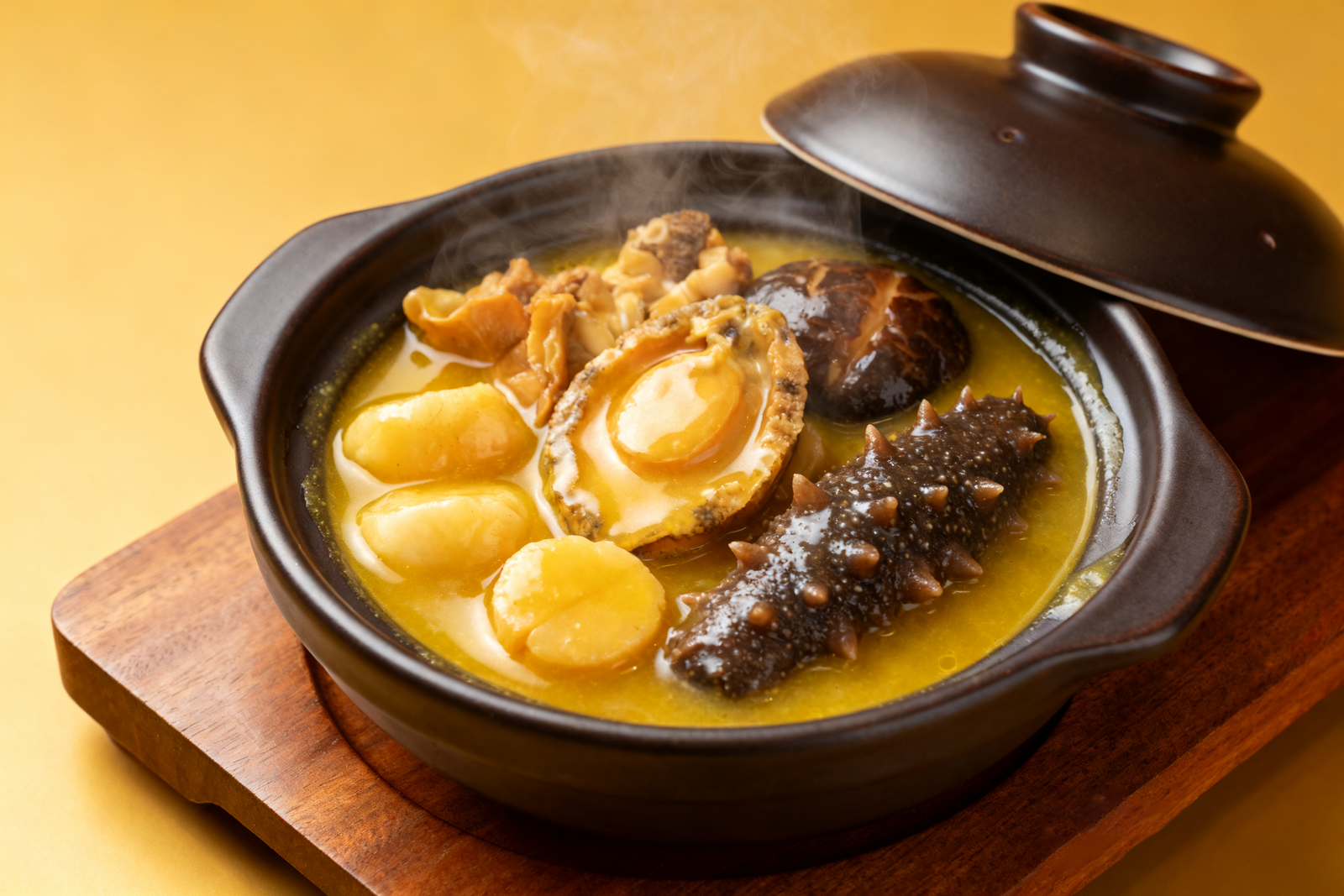
Braised Sea Cucumber with Scallion
Cultural Notes
Root of imperial banquets; associated with Confucian ideals of ceremony and precision.
Modern Development
Health-forward adjustments of rich classics and growing international promotion as a northern heritage cuisine.
Sichuan (Chuan)
Spicy · Numbing · Aromatic
Taking shape in the Qin–Han period and transformed after chili peppers arrived in late Ming–early Qing, Sichuan cuisine fuses Ba’s bold spice with Shu’s fragrance. Famous for its 24 classic flavor profiles, it is arguably the most popular Chinese cuisine at home and abroad.
Core Techniques
Stir-fry
Dry-fry
Smoking
Pickling
Signature Dishes
Mapo Tofu
Kung Pao Chicken
Twice-Cooked Pork
Water-Boiled Fish
Cultural Notes
Humid basin climate meets communal, hearty dining; Sichuan pepper and chilies carry both culinary and folk-medicinal roles.
Modern Development
Global hits like Kung Pao Chicken dominate overseas menus; fusion items (e.g., baked Sichuan lobster) illustrate innovation.
Cantonese (Guangdong) (Yue)
Fresh · Subtle · Balanced
Rooted in Lingnan culture since the Tang, Cantonese cuisine grew with port trade in the Ming–Qing, absorbing overseas influences. Ingredient-driven and precise, it celebrates freshness and natural sweetness—dim sum culture being its finest showcase.
Core Techniques
Steaming
Quick stir-fry
Roasting
Double-boiling
Signature Dishes
Dim Sum
Steamed Grouper with Ginger–Scallion
Char Siu
White Cut Chicken
Roast Suckling Pig
Cultural Notes
Open, cosmopolitan Lingnan ethos; freshness and balance as guiding values.
Modern Development
Fusion with Western techniques (incl. molecular touches) and continued global reach as the most international Chinese cuisine.
Jiangsu (Huaiyang) (Su · Huaiyang)
Refined · Gentle · Luscious
Tracing to Wu–Yue traditions and refined in the Ming–Qing alongside Lu cuisine for court banquets. Huaiyang is the core branch, famed for delicate knife work and balanced, mellow flavors.
Core Techniques
Braising
Stewing
Red-cooking
Ornamental carving / knife work
Signature Dishes
Squirrel Fish
Lion’s Head Meatballs
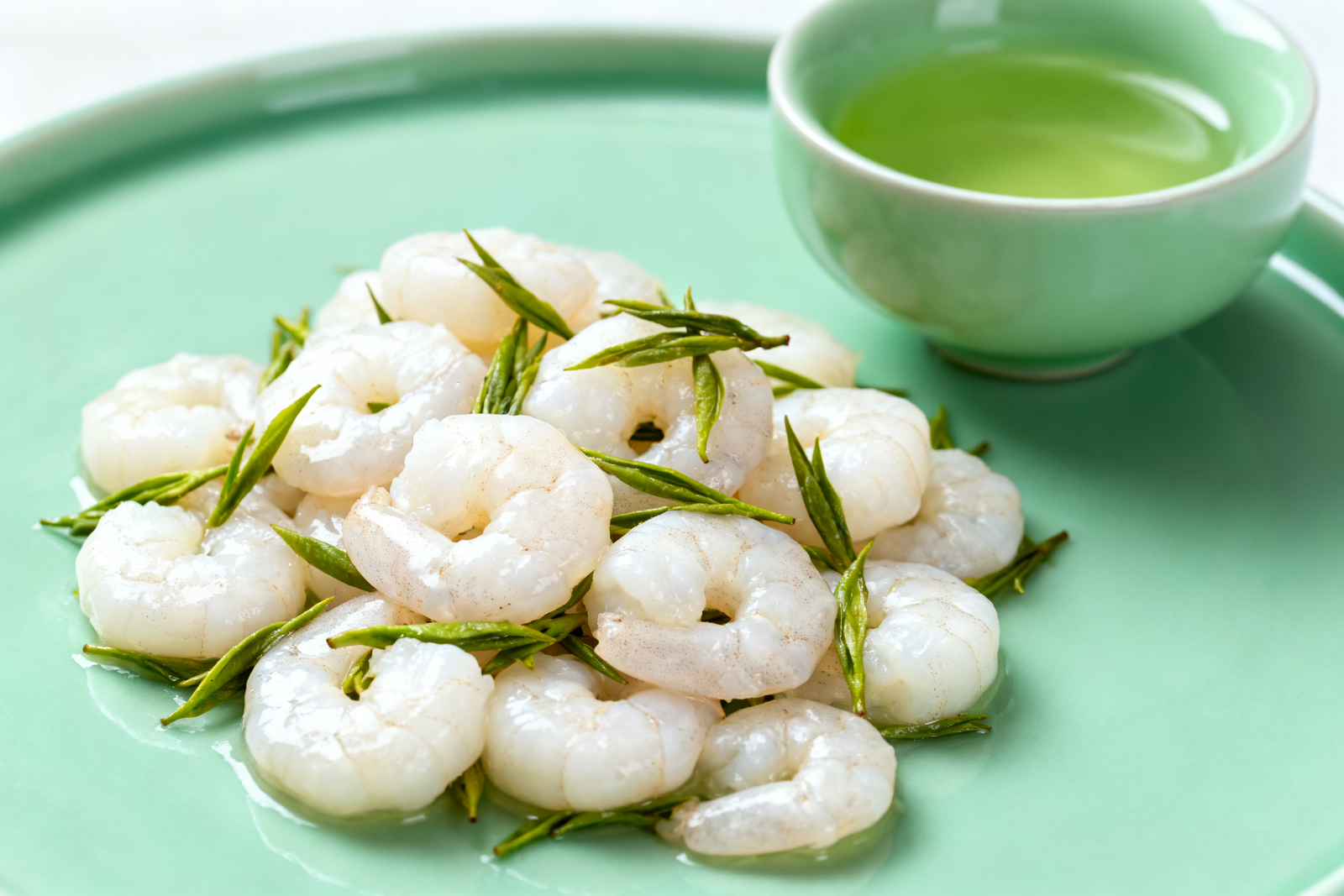
Crystal Shrimp
Braised Pork in Brown Sauce
Cultural Notes
Cuisine of scholars and poets—harmony of color, form, and subtle taste.
Modern Development
Festival showcases and simplified home-kitchen versions (e.g., modern Wensi Tofu); still central to state banquets.
Fujian (Min)
Umami Broths · Seafood · Fragrance
Shaped by coasts and mountains, Fujian cuisine emphasizes fragrant broths and red yeast rice. Marine produce meets woodland delicacies; flavors are layered, savory, and gently sweet.
Core Techniques
Red-wine braise
Stewing
Shaojiu cooking
Superior soups
Signature Dishes
Buddha Jumps Over the Wall
Lychee Pork
Chicken Soup with Sea Clams
Cultural Notes
Maritime culture—“eat from the sea”; soups symbolize nourishment and care.
Modern Development
Single-serve Buddha Jumps Over the Wall and outreach across Southeast Asia leverage shared foodways.
Zhejiang (Zhe)
Clean · Fragrant · Silky
From Jiangnan water towns, Zhejiang cuisine prizes freshness, river produce, and subtle seasoning, preserving natural flavors with a poetic sensibility.
Core Techniques
Poaching
Braising
Steaming
Signature Dishes
West Lake Vinegar Fish
Dongpo Pork
Longjing Tea Shrimp
Cultural Notes
Reflects Jiangnan’s refined ethos—graceful, clean, and lyrical.
Modern Development
Health-minded adaptations (e.g., lower-salt Dongpo Pork) and creative fusions like Zhejiang-style sushi.
Hunan (Xiang)
Hot · Smoky · Deep
From the Xiang River basin, Hunan cuisine emphasizes direct heat from fresh chilies, garlic, and smoked or cured meats, balancing spice with sour notes for the humid climate.
Rooted in Hui merchants’ mountain terroir, Anhui cuisine features bamboo shoots, wild herbs, and river fish. Characterized by deep colors, generous oil, and meticulous fire control.
Core Techniques
Stewing
Braising
Smoking
Signature Dishes
Stinky Mandarin Fish
Hairy Tofu
Yi Pin Pot (Assorted Casserole)
Cultural Notes
Reflects Anhui mountain life and Hui-merchant resourcefulness—earthy and practical.
Modern Development
Standardized fermentation and cold-chain preservation bring iconic flavors like fermented fish to wider markets.
Historical Timeline Highlights
Shandong (Lu): Spring–Autumn era roots; court cuisine backbone in Ming–Qing. Confucius Mansion Banquet (Kongfu Yan) items like “Dai Zi Shang Chao” and “Shili Ginkgo” embody ritual + craft.
Sichuan: Qin–Han preference for bold tastes; late Ming/early Qing chili arrival + native Sichuan pepper (Hanyuan tribute pepper) + doubanjiang forged the classic ma–la profile; spread nationwide alongside migrations.
Cantonese: Tang-era maritime trade exposed Lingnan kitchens to Southeast Asian spices (cassia, star anise); the Thirteen Hongs foreign trade in late imperial times amplified seafood-centric dining.
Flavor in Practice
Lu “freshness”:Braised Sea Cucumber with Scallion relies on long, gentle stock work and scallion aroma to achieve clean marine umami without fishiness.
Sichuan “ma” (tingle): Hanyuan Sichuan pepper’s limonene-rich aroma lifts Mapo Tofu and Water-Boiled Fish, stimulating salivation and depth.
Cantonese “lightness”:Steamed Fish with ginger and scallion keeps flesh pristine; seasoning is restrained to honor ingredient-first ideals.
Huaiyang “sweet-sour” balance:Squirrel Fish—crispy exterior, tender flesh—uses a roughly 2:1 sweet-to-sour sauce for a Jiangnan-pleasing harmony.
Techniques in Detail
Lu “bao” (explosive stir-fry): oil-bao, sauce-bao, and scallion-bao demand searing heat; e.g., Oil-Bao Double Crisp keeps offal tender-crisp.
Sichuan stir-fry spectrum: raw-stir, cooked-stir, and dry-stir; the latter drives off moisture for wok-hei concentration.
Cantonese double-boil: gentle, enclosed steaming for tonic soups; Old-Fire Broth preserves nutrition and fragrance.
Huaiyang knife work:Wensi Tofu—tofu cut into hair-fine threads (~0.2 mm)—a virtuoso display of precision.
Signature Dish Deep Dives
Lu · Braised Intestines in Brown Sauce (Jiu Zhuan Da Chang)
Qing-era Jinan classic from Jiuhualou: meticulously cleaned intestines, first fried, then braised with soy, sugar, vinegar, and wine—“nine turns” of process for glossy, layered richness.
Sichuan · Mapo Tofu
From the famed Chen Mapo Tofu shop in Qing-dynasty Chengdu: beef (or pork) mince fried to aroma, doubanjiang, chili, and Sichuan pepper build the canonical eight characters—ma, la, hot, fragrant, crisp, tender, fresh, lively.
Cantonese · White Cut Chicken
Poached around 85 °C for just-set tenderness; served with ginger-scallion relish. A paradigm of ingredient-first clarity from old Canton eateries.
Huaiyang · Squirrel Fish
Suqian/Suzhou classic popularized by Songhe Tower: deep cuts create a “squirrel” bloom; fried crisp then dressed with sweet-sour glaze for contrast.
Culture in Context
Lu & Confucian ritual: Confucius Mansion Banquet dishes like “Dai Zi Shang Chao” and “Shili Ginkgo” encode blessings and etiquette.
Sichuan & hotpot conviviality: ma-la broth suits a humid climate and a sociable temperament—gathered around one pot, equals at the table.
Cantonese openness: Lingnan kitchens absorb SEA spices (lemongrass, curry) and Western ingredients (cheese, steak) into local grammar.
Huaiyang literati aesthetics: from Su Shi’s lore around Dongpo Pork to Yuan Mei’s Suiyuan Shidan, culinary art meets poetry and calligraphy.
Modern Trajectories
Lu: central-kitchen standardization makes classics like Dezhou Chicken exportable; lighter gravies meet health trends.