Spring Begins
Time awakens with blossoms.




In the morning glow of an ancient Chinese temple, this is not a “guided tour”—it’s a cultural awakening.
The guide doesn’t just narrate; he channels thousands of years of Chinese thought—Confucian values, Taoist serenity, Buddhist insight.
Each word carries a lineage, each pause reflects reverence.
This is where you don’t just learn about China—you begin to belong to its story.

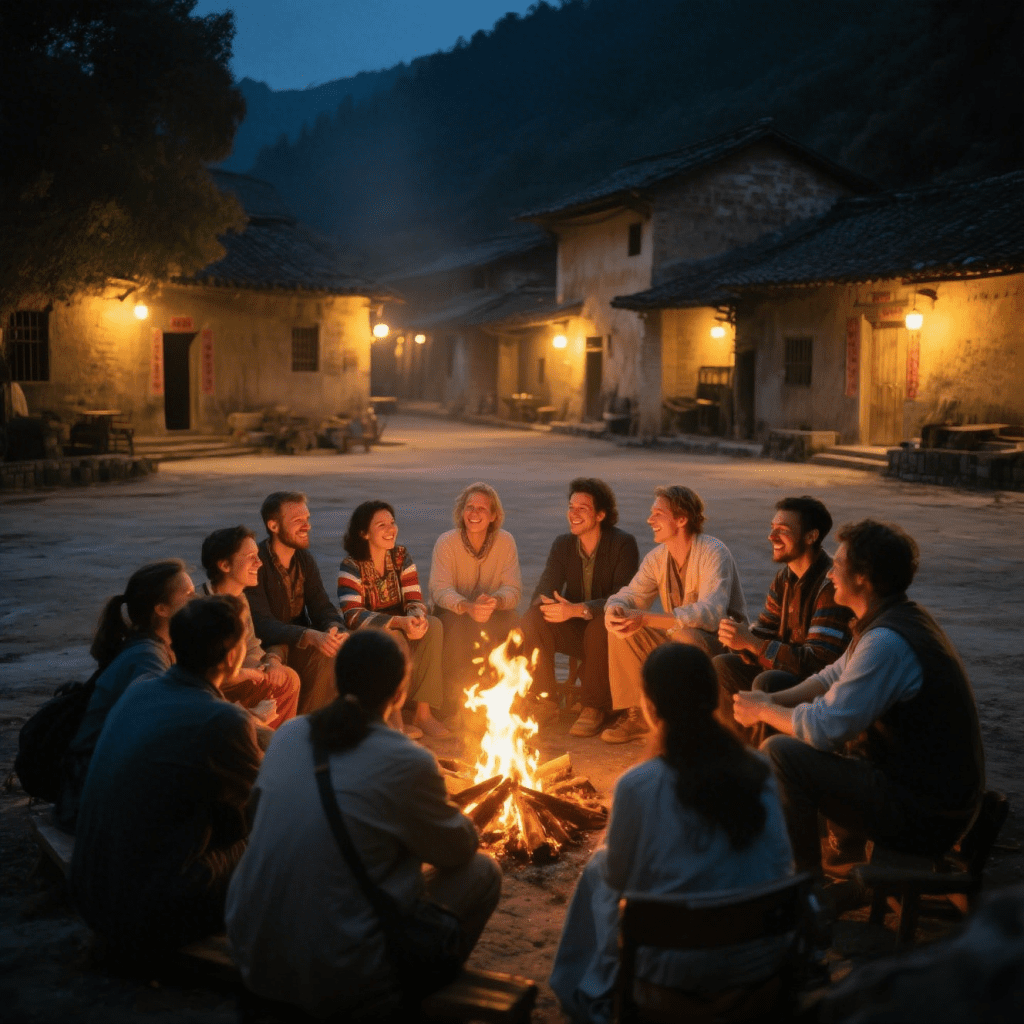
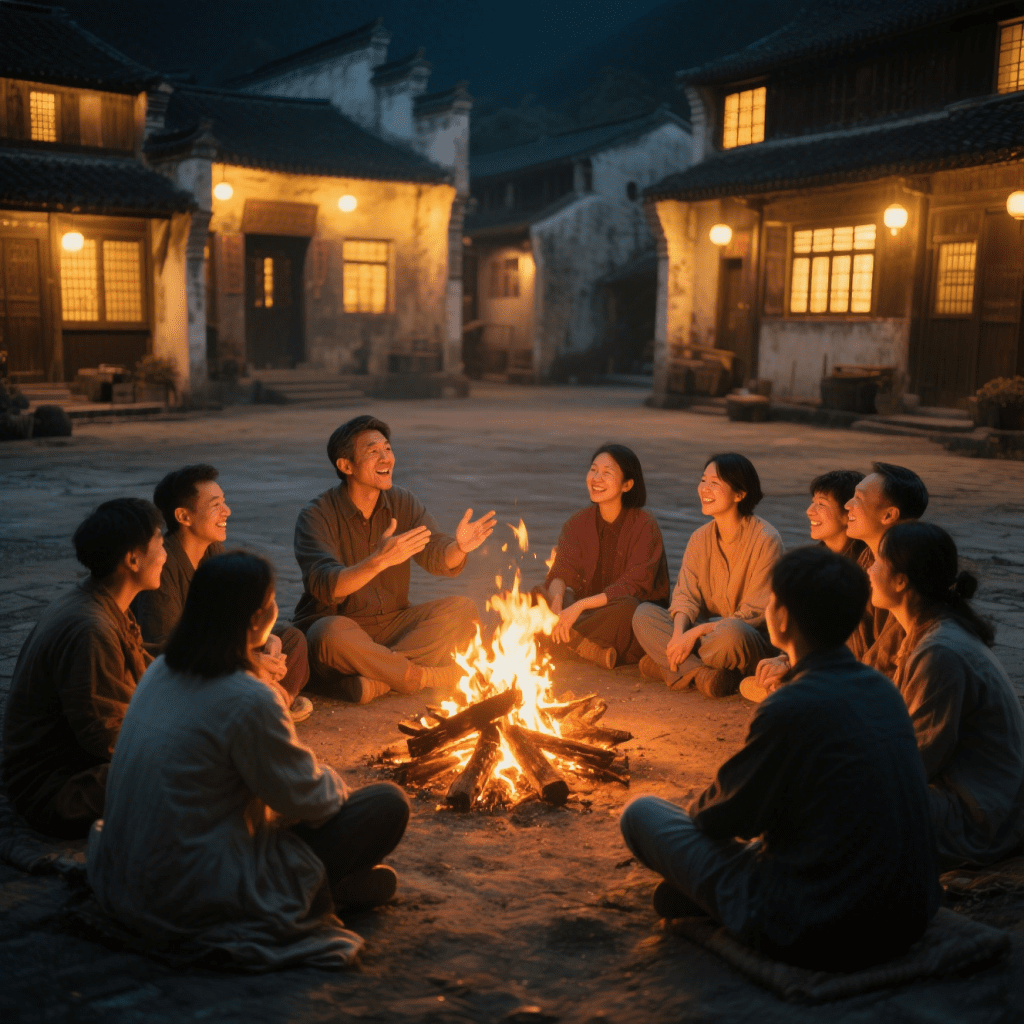
As dusk falls over a centuries-old village, strangers sit shoulder to shoulder, faces aglow in firelight.
There are no tour scripts, only real stories—spoken with laughter, heard with sincerity.
Travelers, villagers, and cultural scholars share a moment that transcends language.
This is not about “knowing” China—it’s about letting China shape your memories.
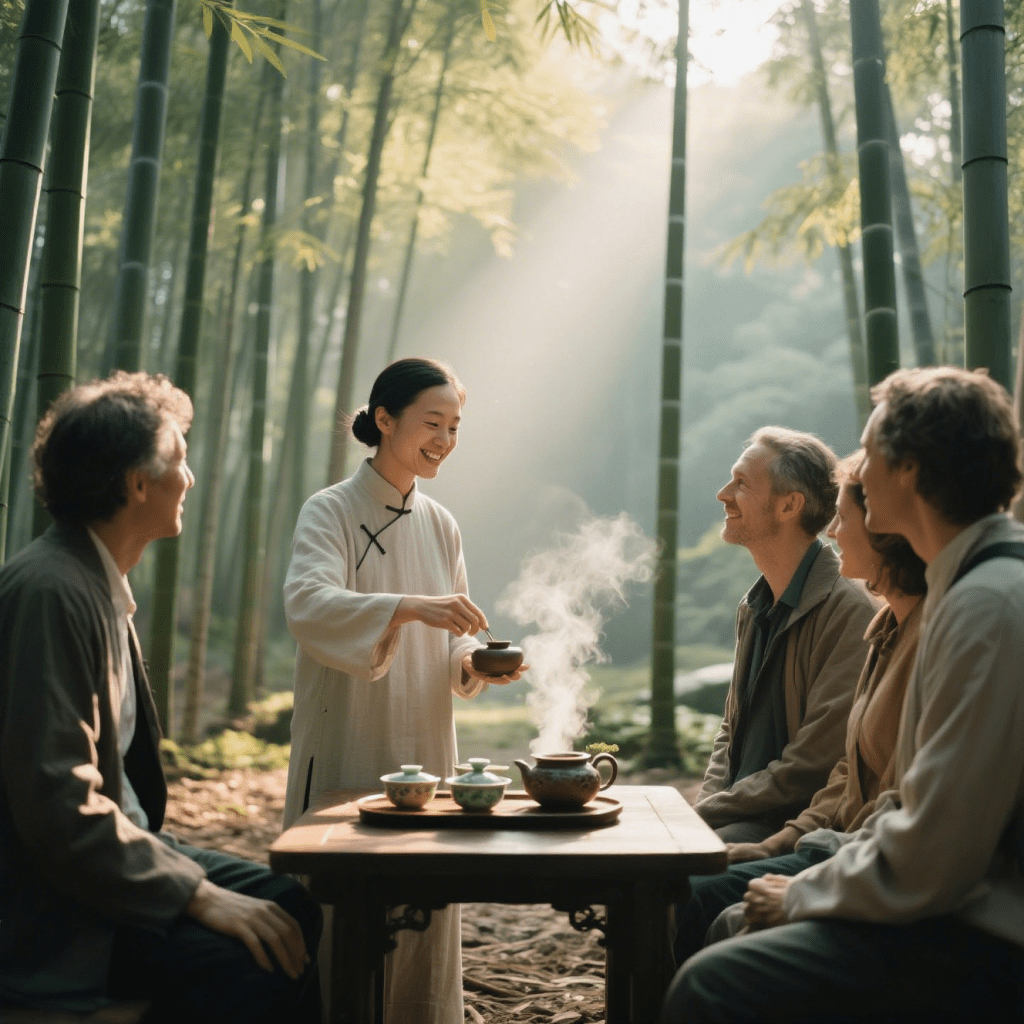
No noise, no schedules—just a cup of tea, a few ancient words, and a bamboo forest breathing around you.
This isn’t sightseeing. It’s soul-seeing.
The tea is not just a drink; it’s time made visible.
Here, you’re no longer a visitor, but a pilgrim—absorbing how a people live slowly, listen deeply, and find meaning in the moment.
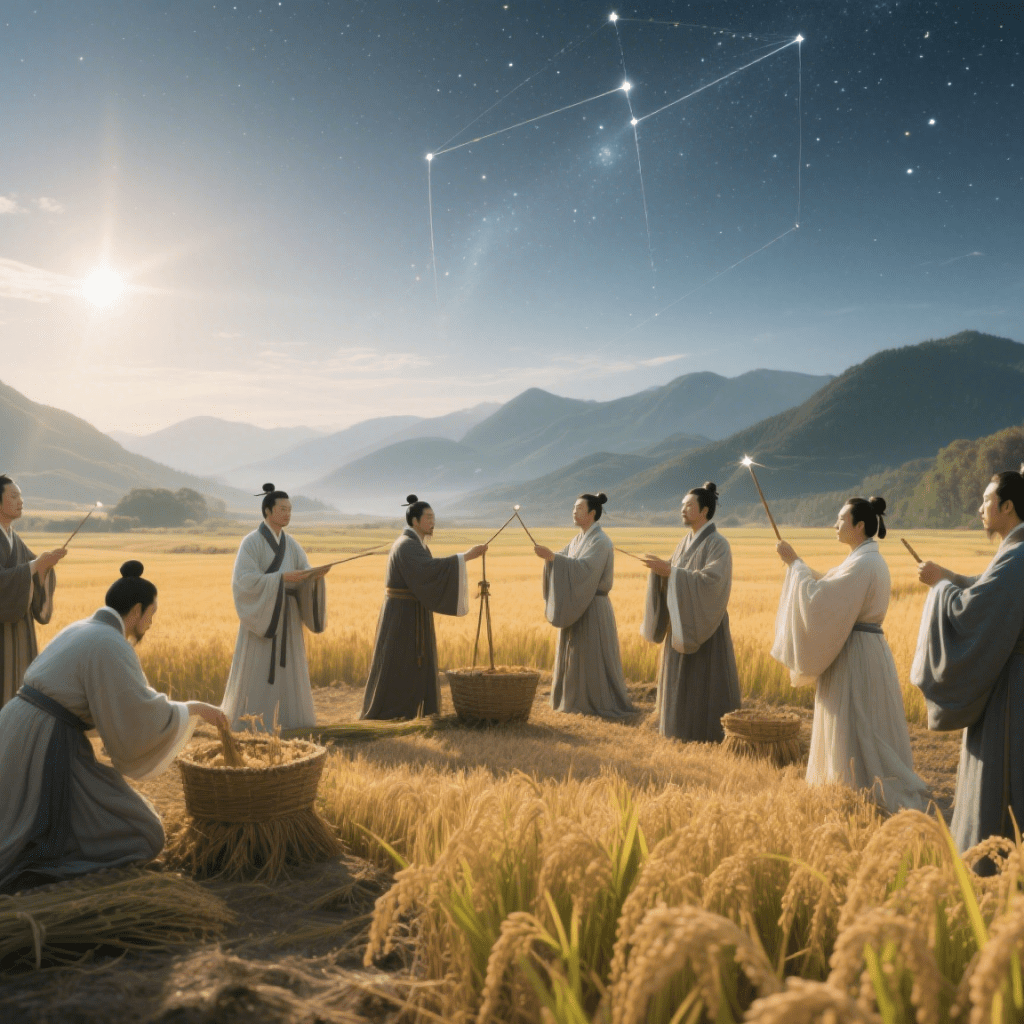
In ancient China, time was not a number—it was a conversation between humans and the cosmos.
Farmers waited for stars to rise, not clocks to tick. The Big Dipper guided planting and rituals that honored heaven’s rhythms.
Time meant alignment—with nature, with ancestors, with purpose.
To follow time was to follow harmony.
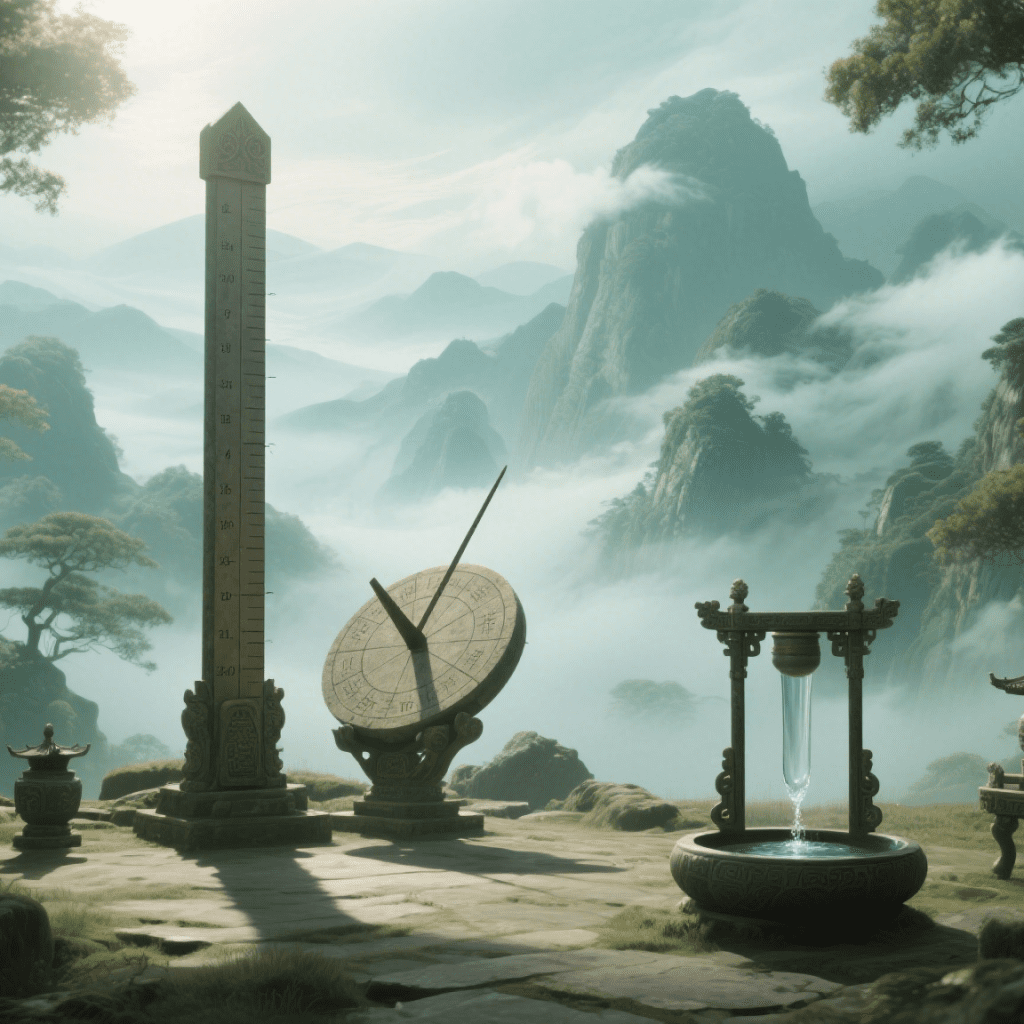
Ancient Chinese timekeeping—water clocks, sundials, shadow markers—were not only inventions.
They were philosophies cast in bronze, expressing the belief that time must align with virtue, nature, and celestial law.
These tools didn’t just measure—they reminded.
That to master time was to live with reverence.
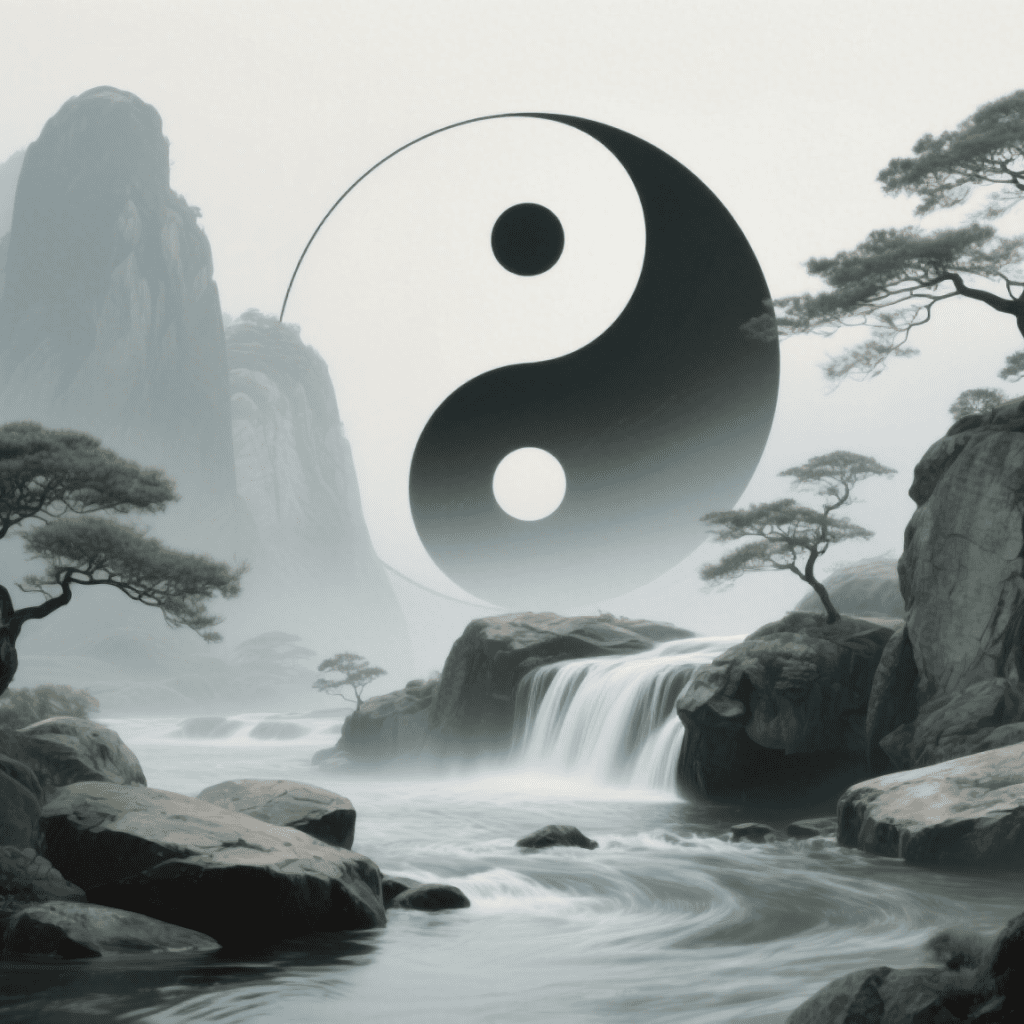
Chinese culture does not divide time into past and future, but sees it as a living cycle.
Through the philosophy of Yin and Yang, time is not pushed, but felt—between movement and stillness, action and rest.
To understand time is to understand balance—not just of hours, but of heart.
Time is not what you measure—it’s what you live with awareness.
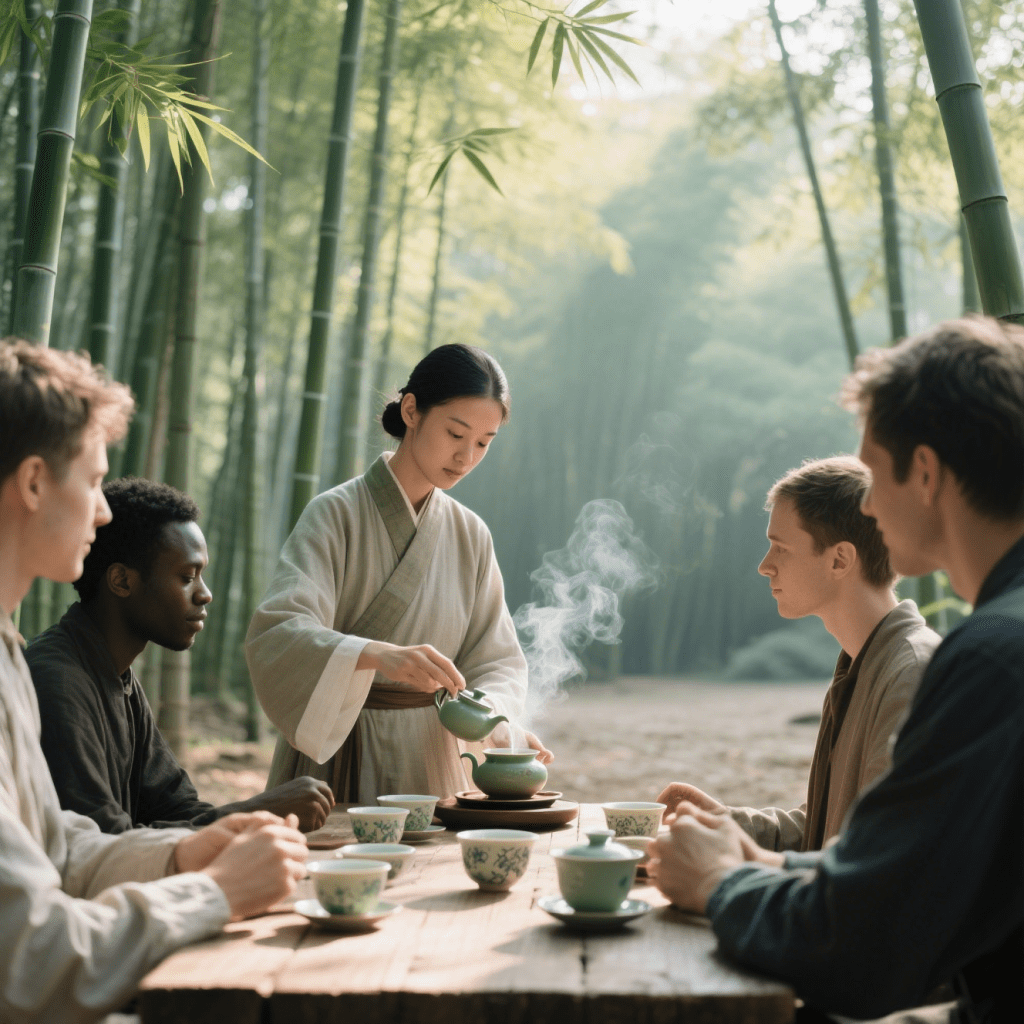
In the quiet of a bamboo forest, you don’t just learn to brew tea—you learn to breathe with it. Each gesture, each pause, reflects a worldview where time flows gently, and life listens more than it speaks.
As night settles over timeworn courtyards, villagers, travelers, and cultural curators sit shoulder to shoulder. Here, language fades—what remains is laughter, memory, and meaning. It’s not a show; it’s a human reconnection.
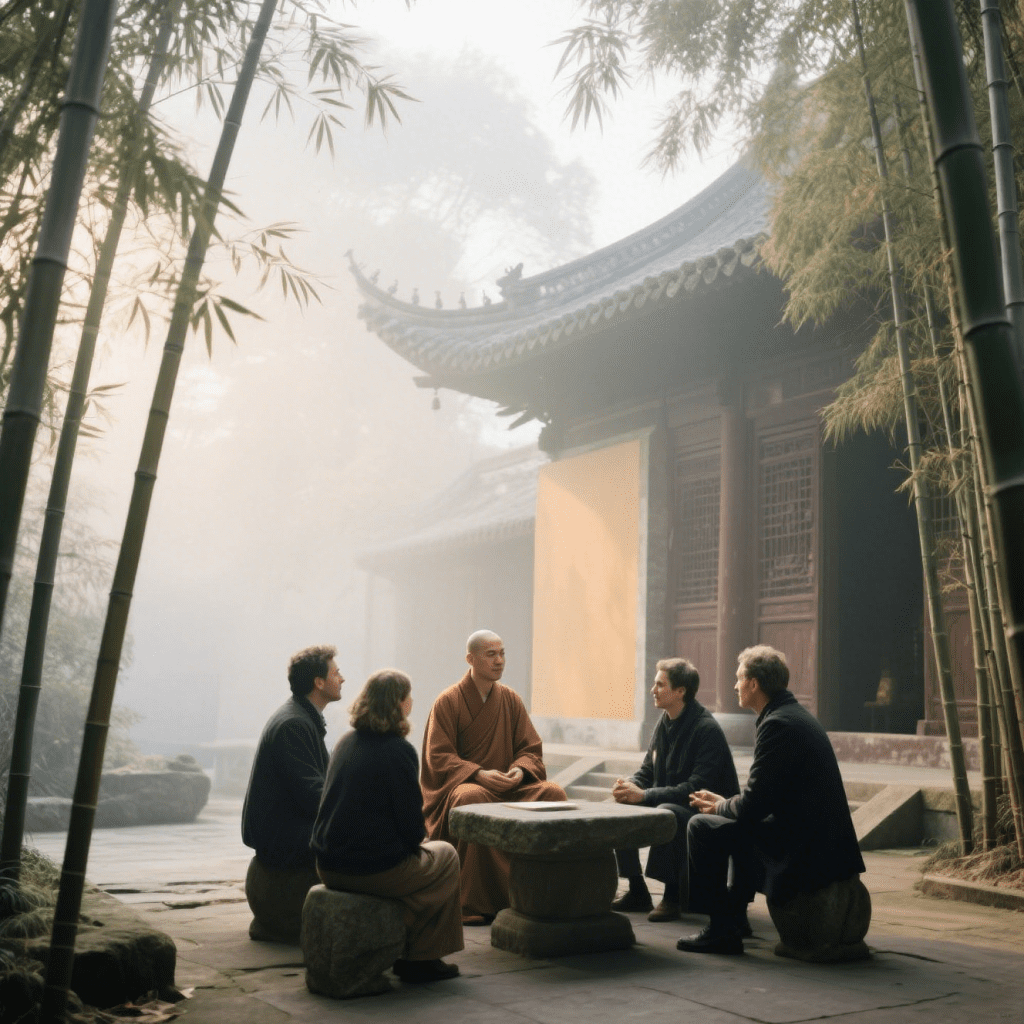
In the soft light of morning incense, a monk shares not doctrines but reflections—on silence, impermanence, compassion. The conversation is not taught, but felt. You don’t take notes here—you carry wisdom home.