


The Great Wall of China: A Timeless Tapestry of History, Nature, and Adventure
Introduction: A Symbol Carved into the Earth
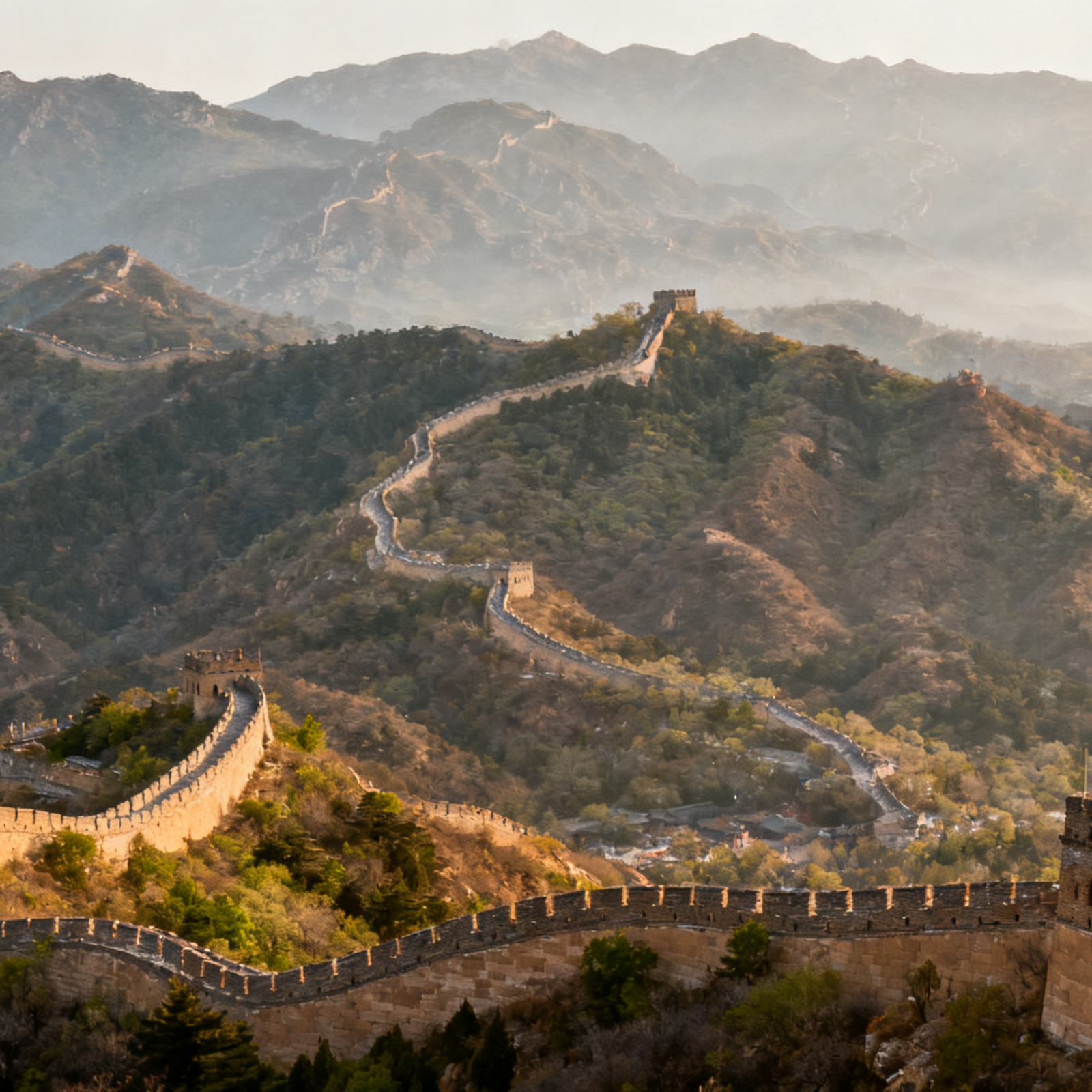
Stretching 21,196.18 kilometers across mountains, deserts, and grasslands, the Great Wall of China is more than a structure—it’s a living testament to human ambition and resilience. Designated a UNESCO World Heritage Site in 1987, this ancient marvel weaves together military strategy, cultural heritage, and breathtaking landscapes. From the Badaling Great Wall’s iconic stone battlements to the Huanghuacheng Lakeside Great Wall’s water-kissed ruins, every section tells a unique story.
1. The Architectural Marvel: Engineering Beyond Eras
The Wall’s construction spanned 2,000 years, evolving from fragmented rammed-earth fortifications in the Warring States Period (475–221 BCE) to the Ming Dynasty’s (1368–1644) imposing stone-and-brick masterpiece. Key features include:
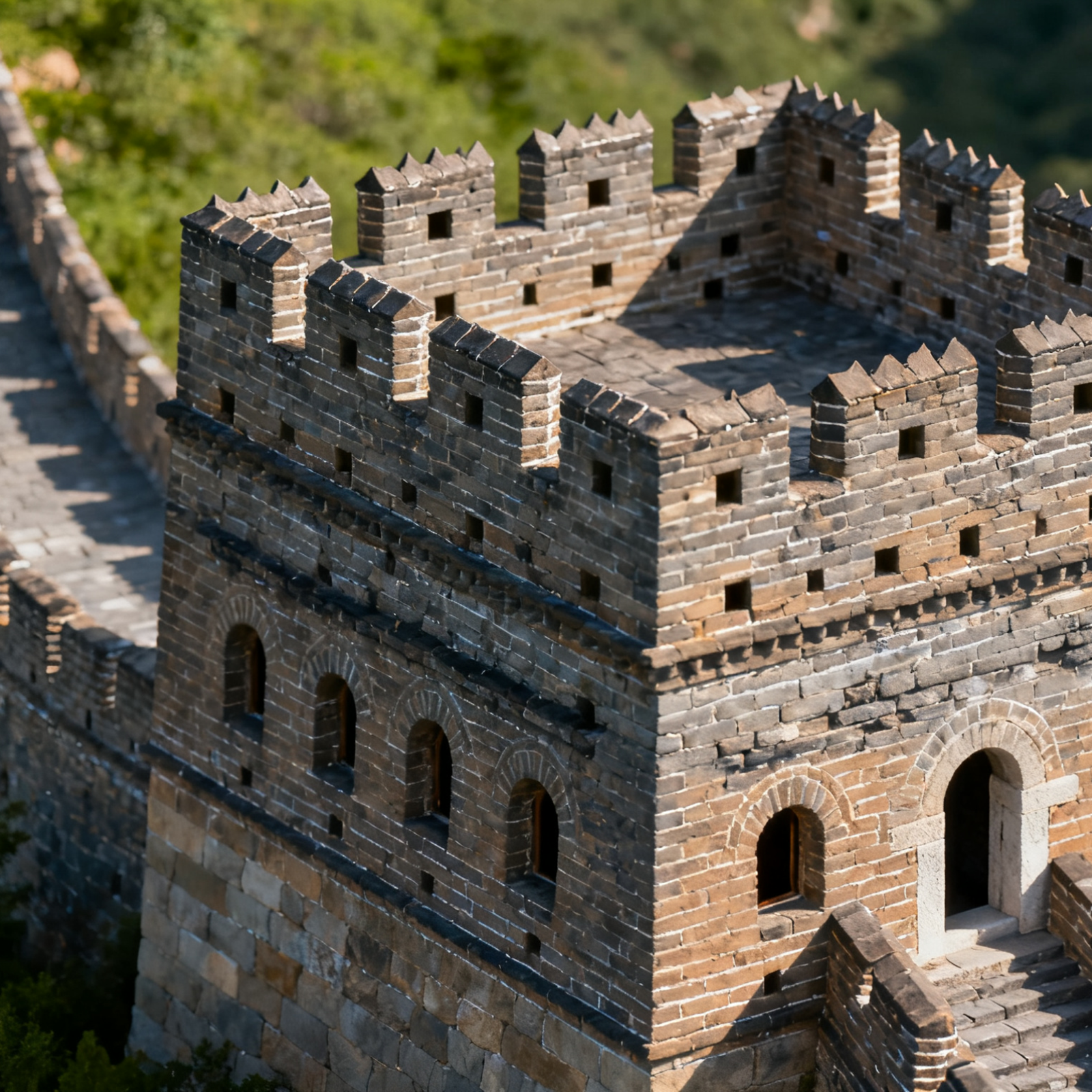
- Watchtowers: Strategically placed strongholds for surveillance and troop shelter.
- Beacon Towers: Critical for relaying signals via smoke or fire, enabling rapid communication across vast distances.
- Crenellations: (zigzagged parapets) with embrasures for archers and defenders.
2. Seasonal Splendor: The Wall in Every Hue
The Wall’s allure shifts with the seasons, offering a dynamic canvas for travelers:
- Spring: Apricot Blossoms at the Great Wall paint Mutianyu and Jinshanling in soft pinks.
- Summer: Lush forests cloak the Mutianyu Great Wall, 5°C cooler than Beijing.
- Autumn: Fiery foliage transforms the landscape into a photographer’s paradise.
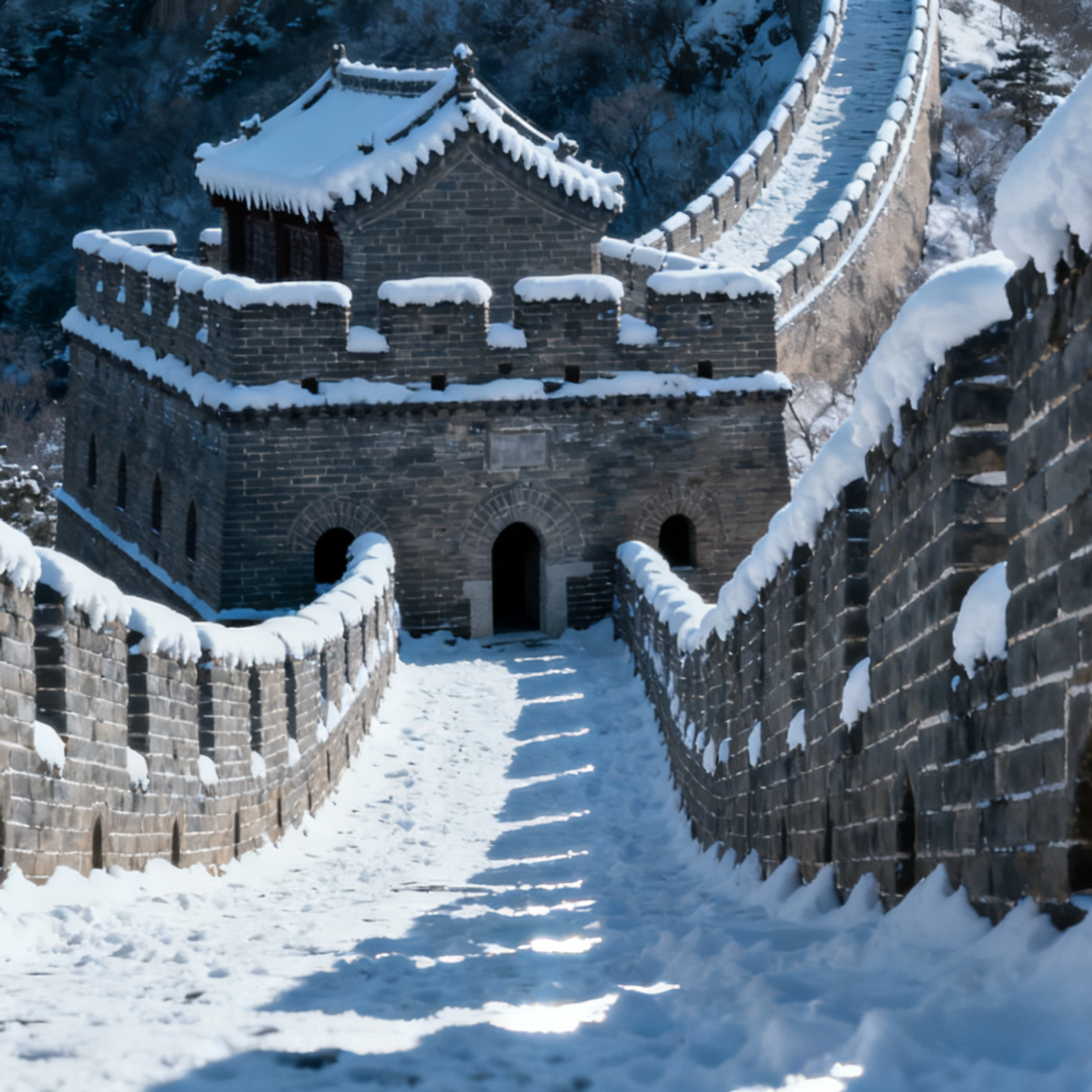
- Winter: Snow blankets the Wall, creating a serene ink painting-like scene.
3. Iconic Segments: Guardians of History
Badaling Great Wall
The most popular Great Wall for tourists, Badaling offers unmatched accessibility and grandeur. Built during the Ming Dynasty, its well-preserved granite walls attract millions annually.
Mutianyu Great Wall
Renowned as one of the best-preserved sections, Mutianyu blends natural beauty with modern amenities like cable cars and toboggan rides.
Jinshanling Great Wall
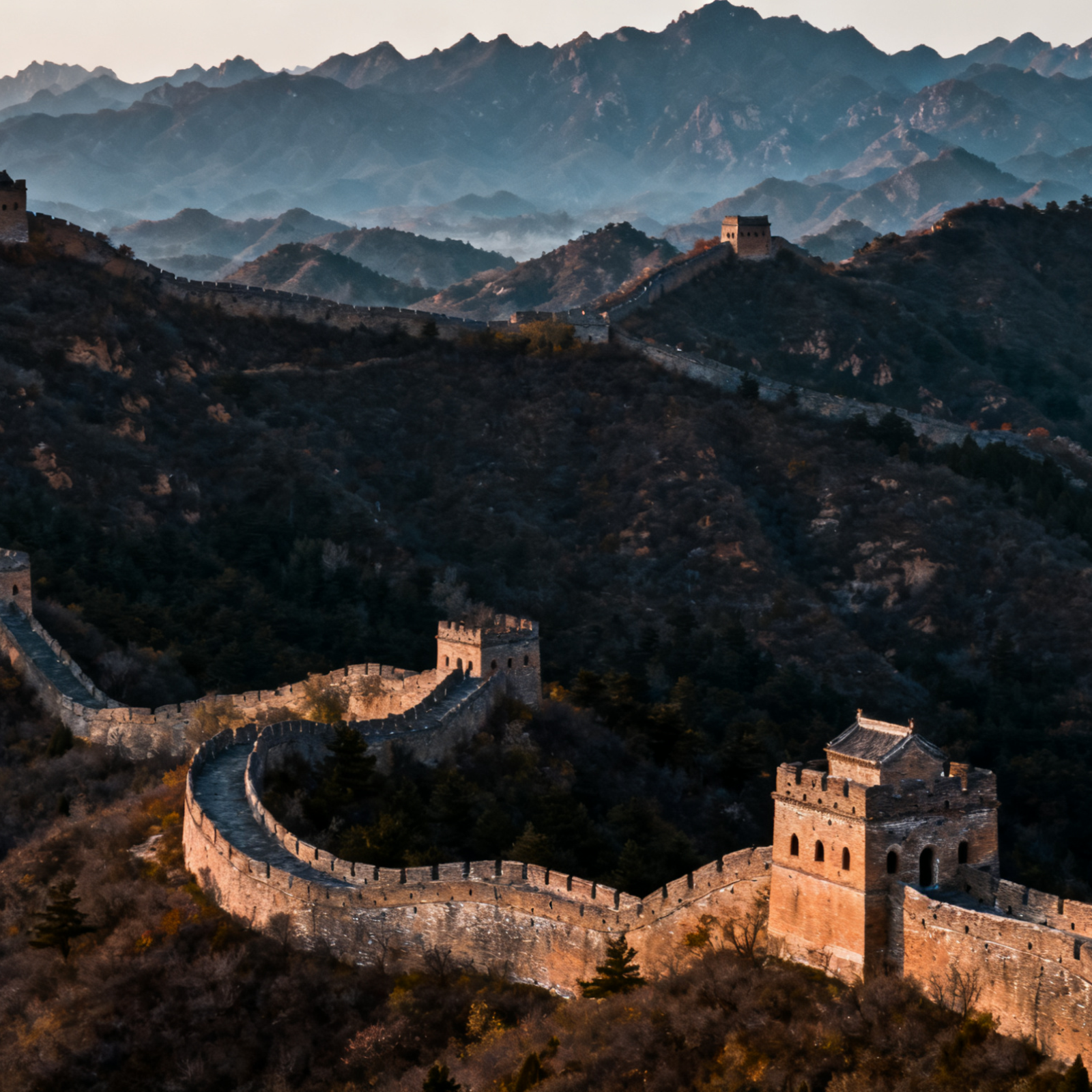
A hiker’s paradise, Jinshanling features 67 watchtowers and rugged terrain. The Lonely Planet-recommended trail offers 4-in-1 views of mountains, reservoir, and ancient towns.
Huanghuacheng Lakeside Great Wall
Unique for its water Great Wall segments, Huanghuacheng’s submerged ruins reflect in the reservoir’s calm waters.
Jiankou Great Wall
Dubbed the adventurous Great Wall, Jiankou’s crumbling ramparts and 75-degree slopes challenge experienced hikers.
4. Cultural Legacy: Legends and Modern Resonance
The Wall’s cultural DNA is woven into myths like Meng Jiangnu Weeping Over the Great Wall, a folk tale symbolizing love and sacrifice. Today, the Beijing Great Wall Cultural Festival celebrates this legacy through exhibitions and forums. For a deeper dive into Beijing’s cultural traditions, explore this Beijing cultural in-depth experience tour.

5. Practical Tips for an Unforgettable Visit
- Best Time to Visit: Spring (April–May) and autumn (September–October).
- Avoid Crowds: Opt for weekdays or less touristy sections like Jinshanling.
- Transportation: High-speed trains to Badaling (20 minutes from Beijing).
- Essentials: Sturdy shoes, water, and layered clothing.
- Cultural Extension: Pair your Great Wall visit with a Beijing cultural in-depth experience tour to explore local traditions.
6. Beyond the Wall: Modern Adventures
The Wall continues to inspire innovation:
- Great Wall Marathon: Annual 45.195 km race at Huangyaguan with historic backdrops.
- Night Tours: Simatai’s Lantern Tour and Badaling’s light shows blend history with modern entertainment.

Conclusion: Walking with Giants
The Great Wall of China is a once-in-a-lifetime destination that transcends time. Every step on its ancient stones connects you to a legacy of resilience and ingenuity. As you stand atop a watchtower, you’ll understand why it’s not just a wall—it’s a masterpiece.

Comment (0)