


The Glory of the Forbidden City: A 600-Year Echo of History and Cultural Symphony
Introduction: Unlocking the Historical Gate of the Forbidden City
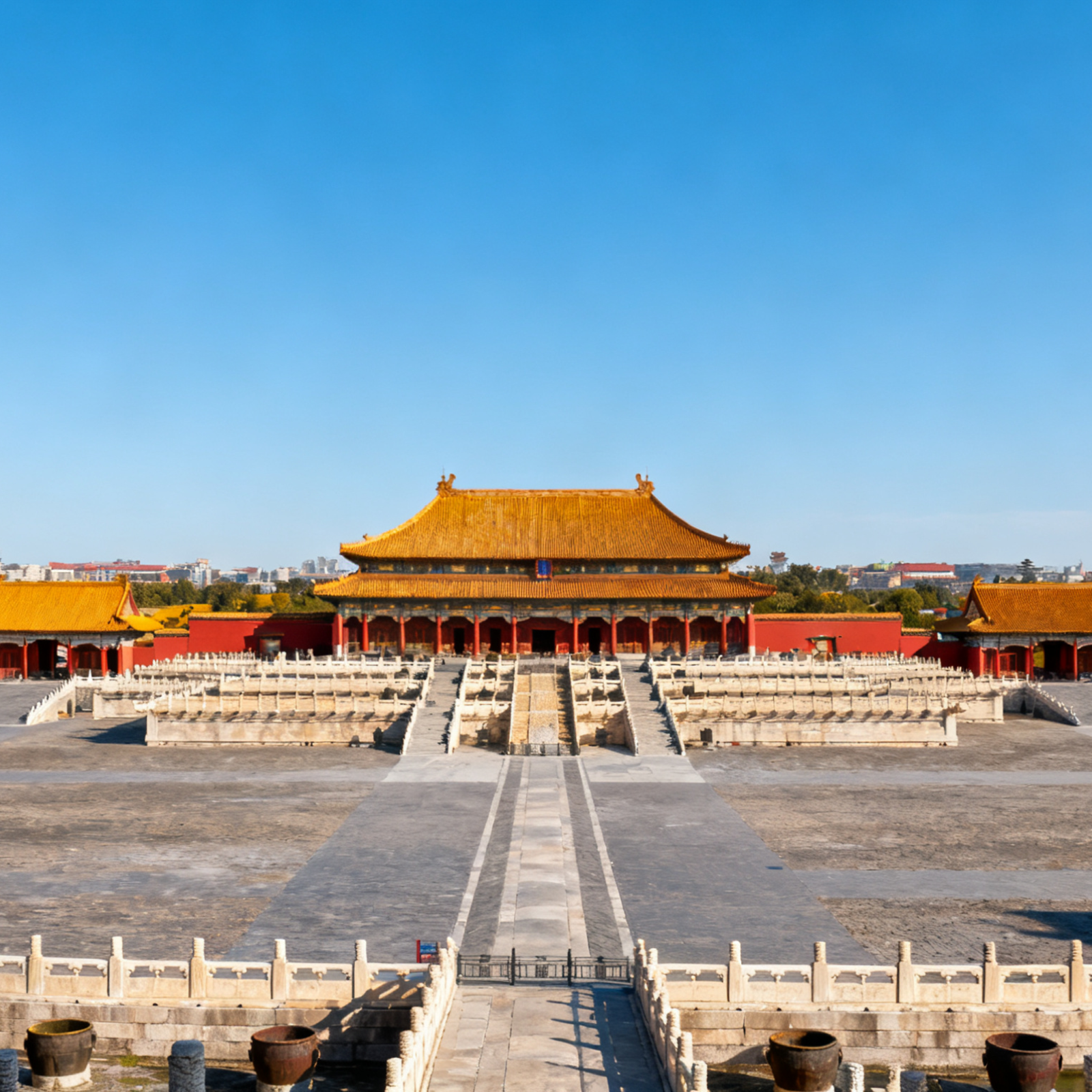
As the imperial palace of China’s Ming and Qing dynasties, the Forbidden City (Imperial Palace) in Beijing stands as an unparalleled treasure of world cultural heritage. Nestled at the heart of the capital, this majestic complex is not merely a cluster of ancient buildings but a living testimony to China’s millennia-old civilization. For those seeking to delve into Chinese imperial history and explore the essence of traditional Chinese architecture, the Forbidden City serves as an indispensable window—paired with seasonal cultural experiences like Beijing’s New Year Temple Fair and Lantern Festival (details available at chinatraveldirect.com), it draws millions of history enthusiasts and cultural explorers from across the globe each year.
The Founding Under Yongle: The Birth of the Forbidden City
Historical Background: Zhu Di’s Decision to Move the Capital
After ascending to the throne following the “Jingnan Campaign”, Emperor Yongle of the Ming Dynasty (Zhu Di) made a fateful decision to move the national capital from Nanjing to Beijing. This move was driven by multiple strategic considerations: politically, it aimed to consolidate his rule by establishing a new power center in his former fiefdom; militarily, it allowed for better defense against the nomadic tribes in the north; and culturally, it sought to inherit the imperial legacy of northern China. This pivotal decision laid the groundwork for the construction of the Forbidden City, marking the start of a new chapter in China’s imperial capital history.
Construction Process: A Palace Built with the Nation’s Strength
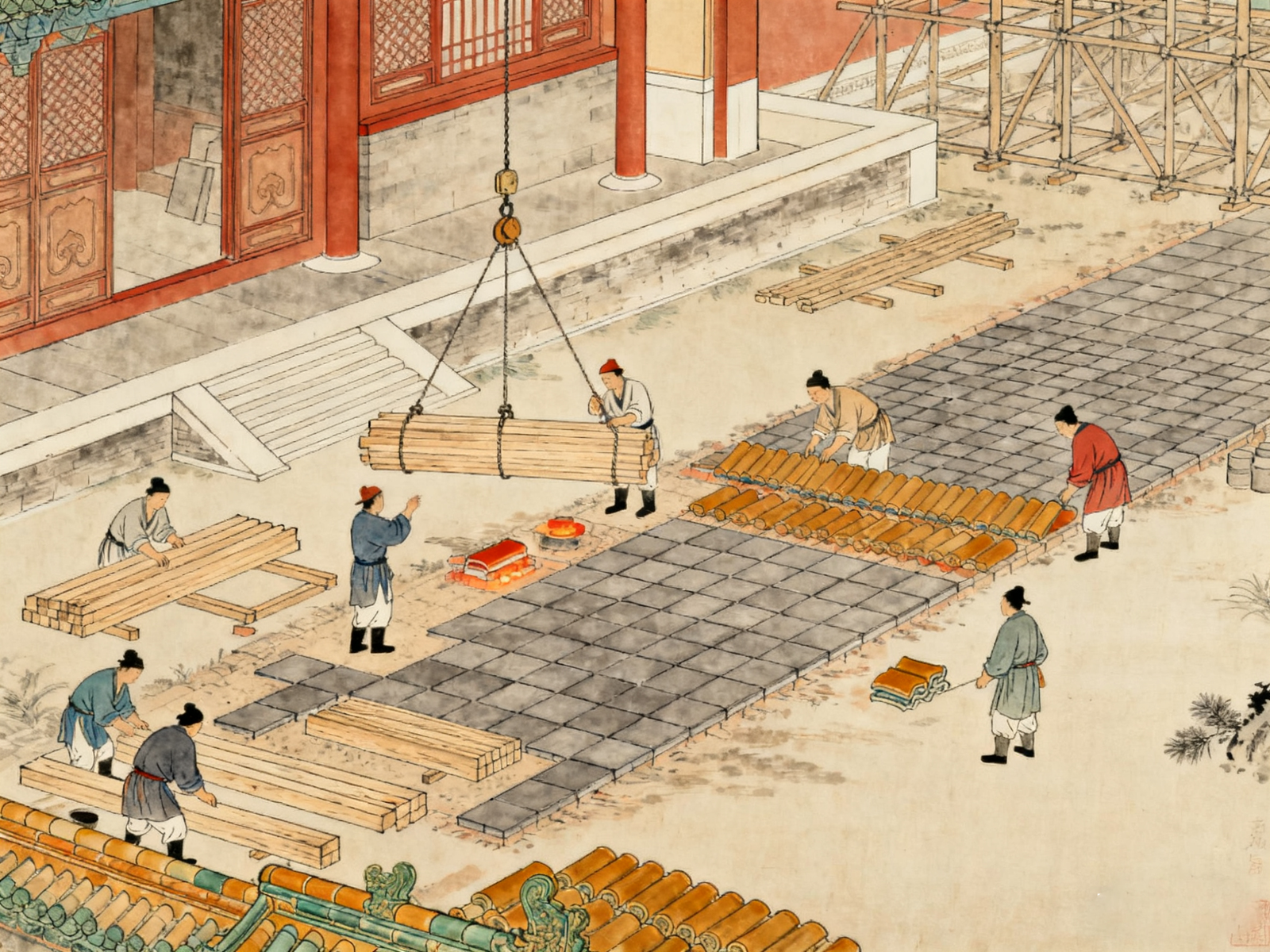
The construction of the Forbidden City commenced in 1406 and spanned 14 arduous years, finally completing in 1420. Drawing inspiration from the layout of the Nanjing Imperial Palace, the project mobilized over a million craftsmen and laborers from all corners of the country. Rare materials were transported over long distances: large wooden beams were fetched from the primeval forests in southwestern China, exquisite marble was quarried from Fangshan County near Beijing, and colorful glazed tiles were fired in specialized kilns. Every detail, from the grand halls to the intricate carvings, reflected the supreme craftsmanship of ancient Chinese artisans, making the Forbidden City a masterpiece of ancient Chinese palace architecture.
Initial Layout and Architectural Features: The Architectural Expression of Imperial Power
The initial layout of the Forbidden City strictly adhered to traditional Chinese ritual systems, embodying the concept of “the front court for state affairs and the rear palace for daily life” and the “three main courts and five gates” pattern. The entire complex is centered on the Meridian Line, with buildings arranged symmetrically on both sides, symbolizing the harmony and order of the universe and the absolute authority of the emperor. Architectural features such as the yellow glazed roof tiles (exclusive to imperial buildings), the red palace walls (representing prosperity and dignity), and the dragon carvings (a symbol of imperial power) all served as visual expressions of imperial supremacy, making the Forbidden City a vivid embodiment of Chinese imperial culture.
Trials of Time: The Rise and Fall of the Forbidden City
Multiple Fires and Reconstructions: The Twists of Fate
Throughout its history, the Forbidden City suffered numerous fires caused by lightning strikes, human errors, and wars. One of the most devastating fires occurred just a hundred days after the completion of the Three Great Halls in the Yongle period, reducing the grand halls to ashes. After each fire, successive emperors launched large-scale reconstruction projects. During the reconstruction, artisans not only restored the original appearance of the buildings but also made innovations in construction techniques. For example, during the Ming Jiajing period, fire-prevention facilities such as water tanks and fire walls were added, and during the Qing Qianlong period, the structure of some halls was optimized to enhance their stability. These reconstructions not only preserved the Forbidden City’s architectural heritage but also enriched its historical connotations.
The Forbidden City During Dynastic Changes: A Witness to the Transition from Ming to Qing
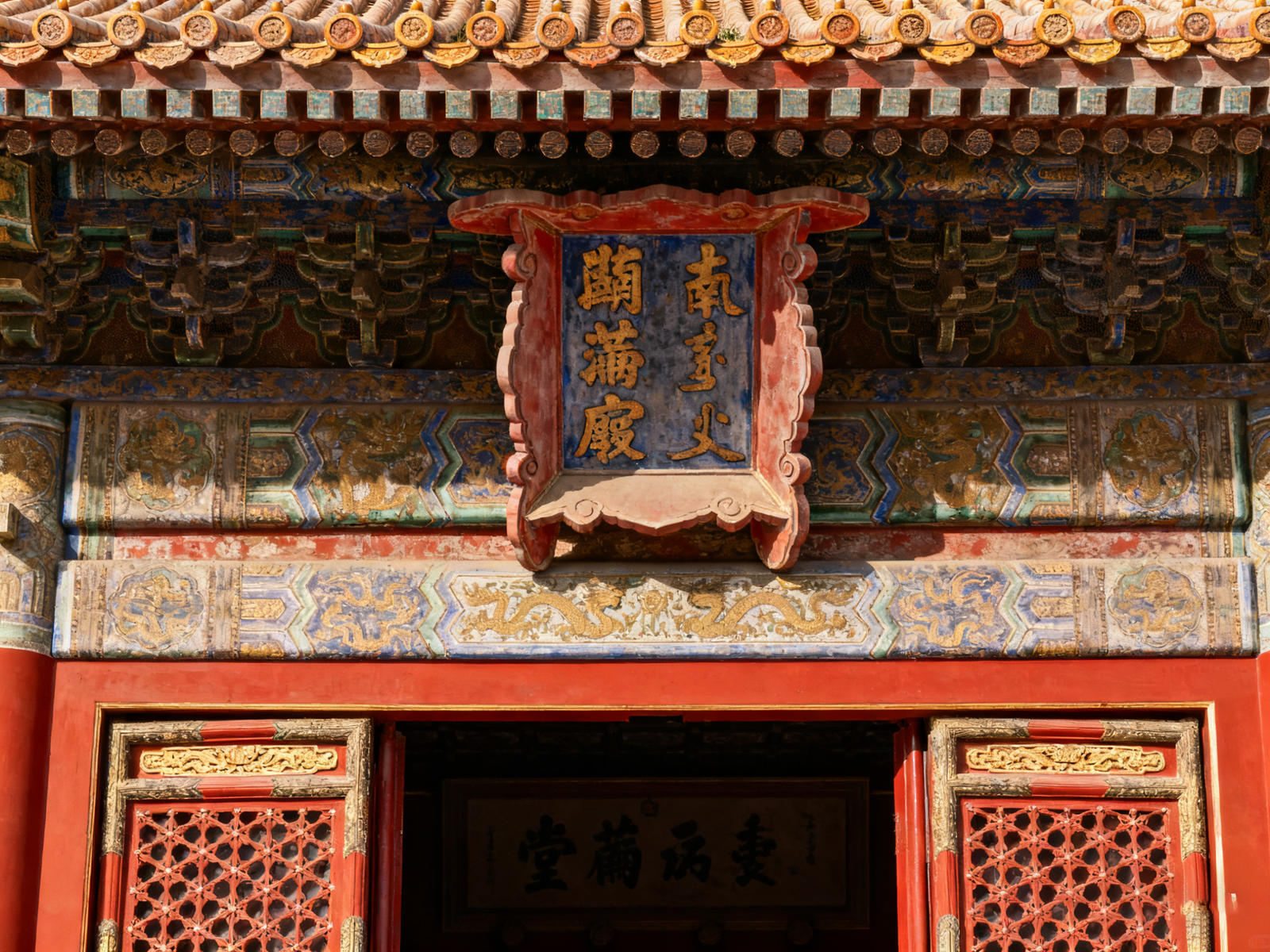
In 1644, the Ming Dynasty fell, and the Qing Dynasty, founded by the Manchus, entered Beijing. The Forbidden City was then transformed into the imperial palace of the Qing Dynasty. The Qing rulers carried out a series of renovations and expansions to the Forbidden City while respecting its original layout. During the Qianlong period, large-scale decoration projects were undertaken: the halls were adorned with more exquisite paintings and carvings, and new buildings such as the Palace of Tranquil Longevity were added. The Qing rulers also integrated Manchu cultural elements into the Forbidden City: the Kunning Palace was renovated to serve as a shamanist worship hall (a reflection of Manchu religious beliefs), and the Rain Flower Pavilion adopted a Sino-Tibetan architectural style, symbolizing the unity of different ethnic groups. Additionally, bilingual plaques in Chinese and Manchu were hung in the halls, bearing witness to the cultural integration of the Forbidden City during the Qing Dynasty.
Modern Turmoil: From Imperial Palace to Public Cultural Institution
The 1911 Revolution marked the end of China’s imperial era. In 1912, the last emperor of the Qing Dynasty, Puyi, abdicated, and the Forbidden City ceased to be the imperial palace. However, Puyi and his entourage continued to live in the inner court of the Forbidden City until 1924. In 1925, the Palace Museum was officially established in the Forbidden City, opening its doors to the public for the first time. This marked a historic transformation of the Forbidden City from a private imperial residence to a public cultural institution. During the Anti-Japanese War (1931-1945), to protect the precious cultural relics in the Forbidden City, the Palace Museum launched the “Southward Migration of Cultural Relics” campaign. Tens of thousands of cultural relics were carefully packed and transported to safe areas in southern China, avoiding destruction by the war. This arduous migration not only safeguarded China’s national cultural treasures but also demonstrated the unwavering commitment to cultural heritage protection.
Cultural Treasures: The Profound Cultural Heritage of the Forbidden City
Architectural Art: An Unparalleled Masterpiece of Ancient Architecture
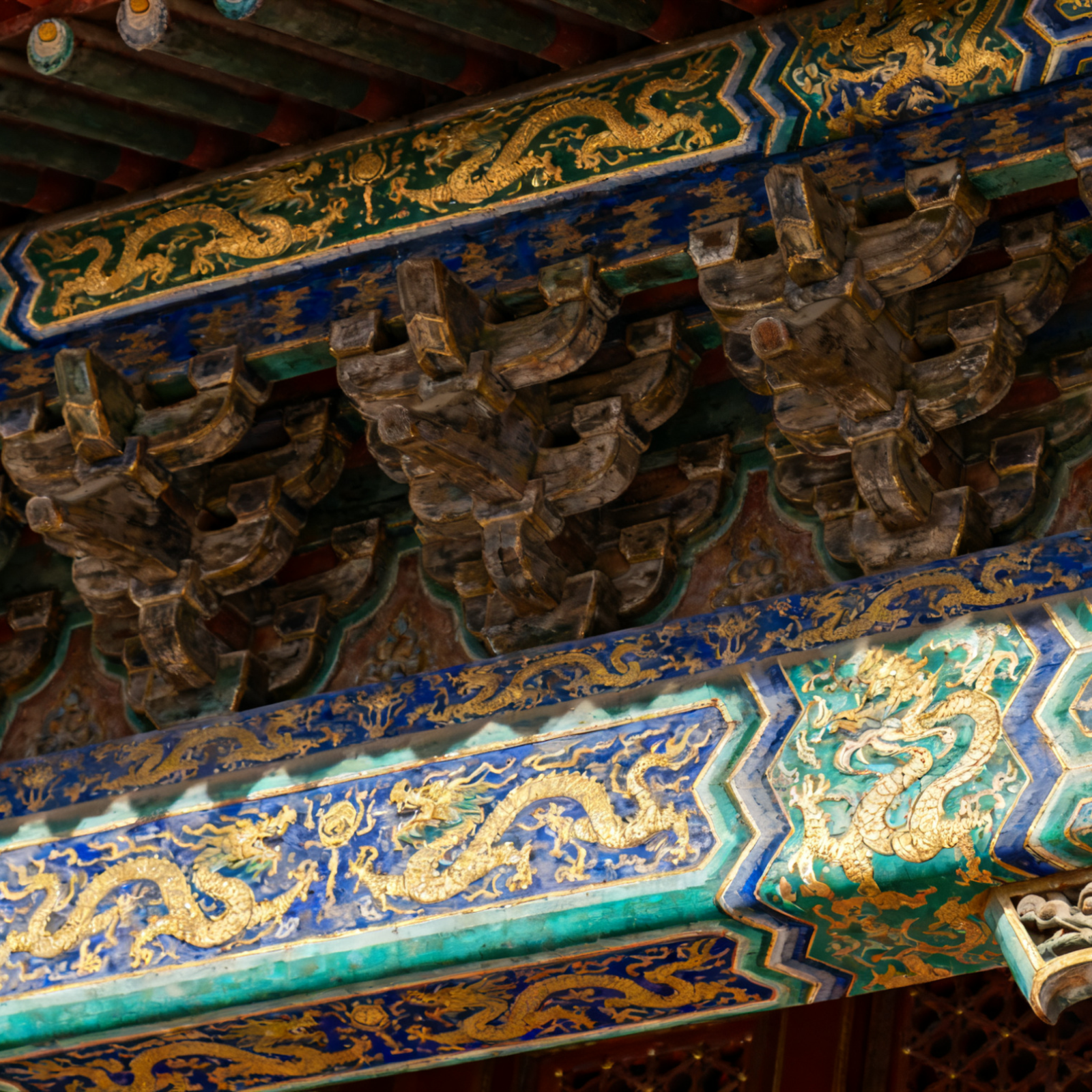
The Forbidden City is widely regarded as the pinnacle of ancient Chinese architectural art. Its overall planning follows the principles of Feng Shui, with the Meridian Line running through the center, and buildings arranged in a hierarchical and symmetrical manner, creating a sense of grandeur and solemnity. The single buildings are marvels of structural design: the Hall of Supreme Harmony, the largest hall in the Forbidden City, can accommodate thousands of people and stands on a three-tiered marble platform, showcasing the grandeur of imperial architecture. The intricate details, such as the dougong (interlocking wooden brackets), the painted beams, and the carved windows, are all exquisite works of art. Every architectural element, from the layout to the decoration, reflects the profound wisdom of ancient Chinese architects, making the Forbidden City an encyclopedia of traditional Chinese official architecture.
Cultural Relic Collections: A Treasure Trove of Rare Artifacts
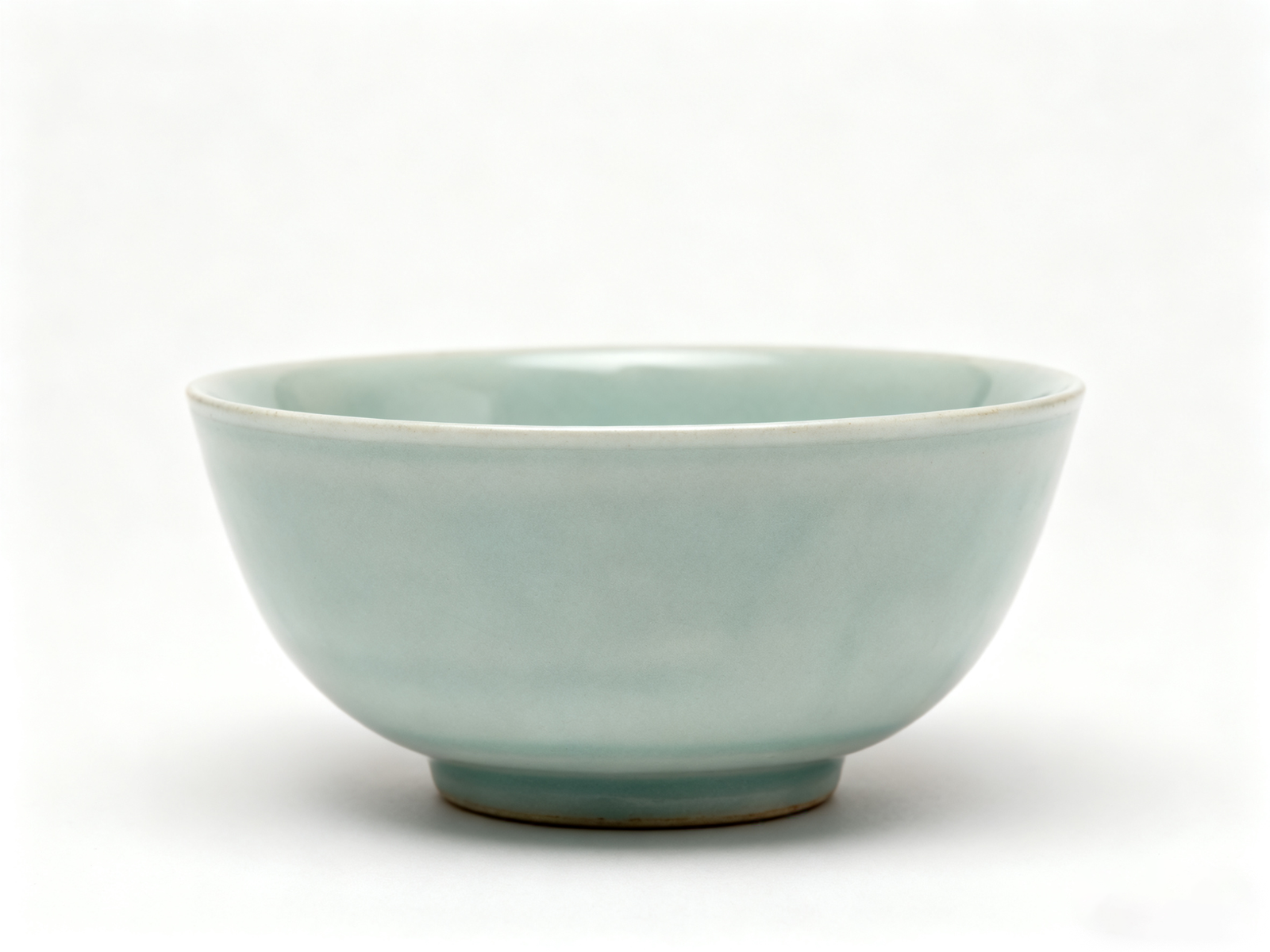
The Palace Museum in the Forbidden City houses over 1.86 million cultural relics, covering a wide range of categories such as calligraphy, painting, ceramics, bronze ware, jade, and furniture. These relics span thousands of years, from the Neolithic Age to the late Qing Dynasty, and are among the most precious cultural heritage of China. Masterpieces such as “Along the River During the Qingming Festival” (a famous painting by Zhang Zeduan of the Northern Song Dynasty) and “Five Oxen” (a painting by Han Huang of the Tang Dynasty) are not only artistic gems but also important historical documents that record the social life, customs, and artistic styles of different periods. Each cultural relic tells a unique story, carrying the historical memory of the Chinese nation and making the Forbidden City a world-renowned museum of Chinese cultural relics.
Inheritance and Integration of Traditional Culture: A Gathering of Diverse Cultures
The Forbidden City is a concentrated expression of traditional Chinese culture. In terms of ideology, it embodies the Confucian concept of “the mean” (Zhonghe), with its symmetrical layout and hierarchical structure reflecting the pursuit of harmony and order. In terms of etiquette, the various ceremonies held in the Forbidden City, such as the emperor’s ascension to the throne and the grand sacrifices, strictly followed Confucian ritual norms, passing on the traditional Chinese etiquette culture. Moreover, the Forbidden City is a melting pot of diverse cultures. The integration of Han, Manchu, Mongolian, Tibetan, and other ethnic cultures can be seen in its architecture, art, and customs. For example, the Tibetan-style murals in the Rain Flower Pavilion and the Manchu-style costumes worn by the imperial family in paintings all reflect the multicultural integration of the Forbidden City, making it a symbol of China’s ethnic unity and cultural diversity.
Modern Rebirth: The Transformation of the Forbidden City in the New Era
Protection and Development in New China: Rejuvenation
After the founding of the People’s Republic of China in 1949, the Chinese government attached great importance to the protection of the Forbidden City. It has continuously allocated funds for the maintenance and restoration of the Forbidden City’s ancient buildings. Professional teams have been established to conduct systematic inspections and repairs on the buildings, using traditional craftsmanship combined with modern technology to ensure the authenticity and integrity of the Forbidden City’s heritage. In addition, the government has built specialized warehouses to store the cultural relics, equipped with advanced temperature and humidity control systems and security monitoring equipment to protect the relics from damage. The sorting and cataloging of the cultural relics have also been completed, laying a solid foundation for the research and display of the Forbidden City’s cultural heritage.
Digitalization and Cultural and Creative Products: The Collision Between Ancient and Modern
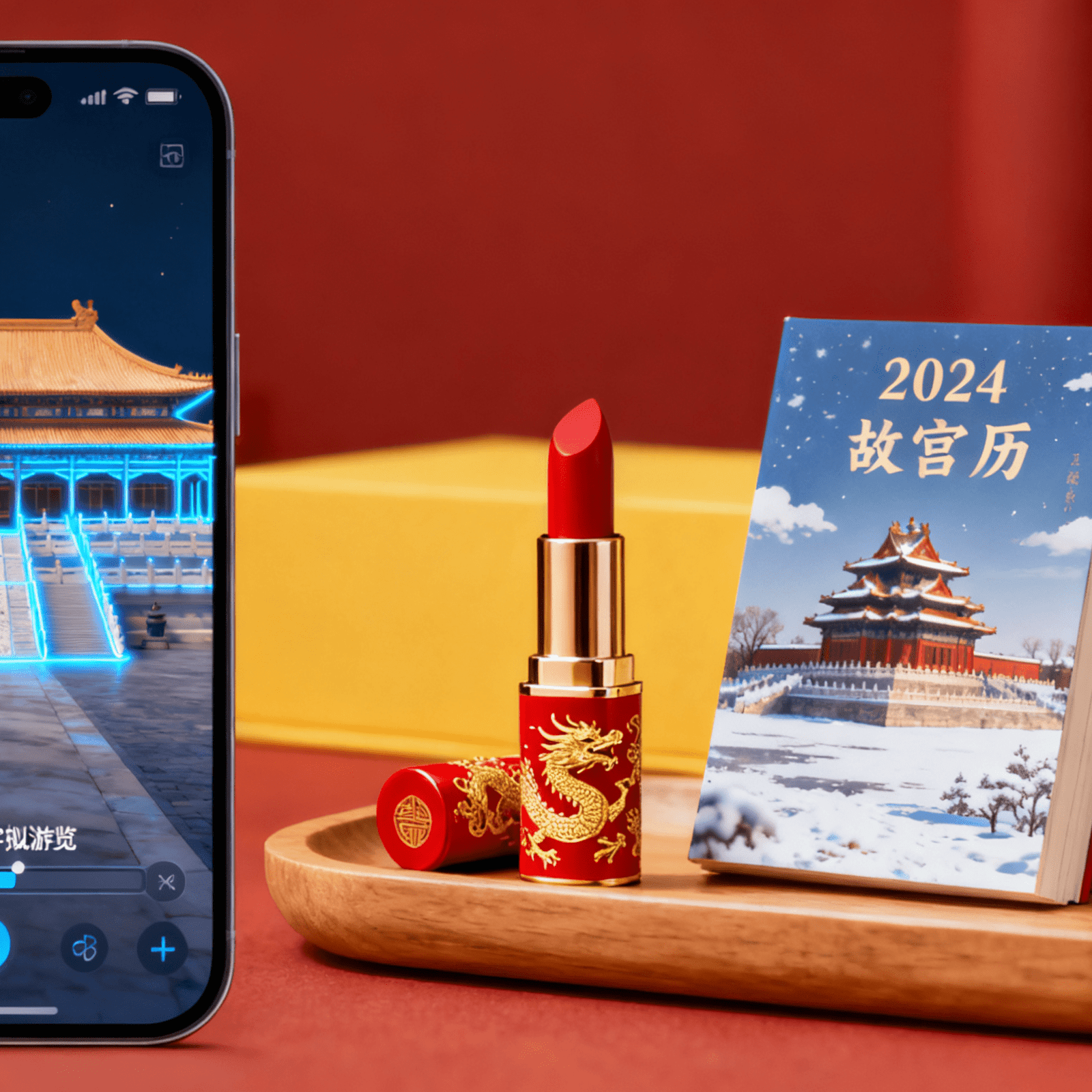
In recent years, the Forbidden City has actively embraced digital technology to promote its cultural heritage to a wider audience. The Palace Museum has launched a series of online initiatives, such as virtual tours of the Forbidden City, online exhibitions of cultural relics, and digital databases of cultural relics. Through 3D modeling and virtual reality (VR) technology, people from all over the world can now “visit” the Forbidden City online, exploring every corner of the palace and appreciating the details of the cultural relics without leaving their homes. For travelers seeking to combine cultural exploration with seasonal traditions, events like the Beijing New Year Temple Fair and Lantern Festival—featured at chinatraveldirect.com—offer a vivid way to experience traditional Chinese culture alongside the Forbidden City’s legacy. Meanwhile, the development of cultural and creative products has become a new way to spread the Forbidden City’s culture. Products such as Forbidden City-themed lipsticks, calendars, and toys have gained great popularity among young people, blending traditional cultural elements with modern design concepts. These initiatives not only make the Forbidden City’s culture more accessible and popular but also inject new vitality into the inheritance of traditional culture.
International Influence: The Charm of a World Cultural Heritage
In 1987, the Forbidden City was officially inscribed on the World Heritage List by UNESCO, recognizing its outstanding universal value as a cultural heritage of humanity. Since then, the Forbidden City has become an important symbol of China’s cultural exchanges with the world. It has hosted numerous international exhibitions, such as the “Forbidden City in Rome” exhibition and the “Treasures of the Forbidden City” exhibition in New York, showcasing China’s excellent traditional culture to the world. Cultural exchange activities, such as academic seminars and cultural forums, are also regularly held in the Forbidden City, attracting scholars and cultural figures from all over the world to exchange ideas and cooperate. The Forbidden City has not only become a pride of the Chinese nation but also a shared cultural wealth of all mankind, promoting mutual understanding and friendship between different countries and cultures.
Conclusion: The Eternal Forbidden City
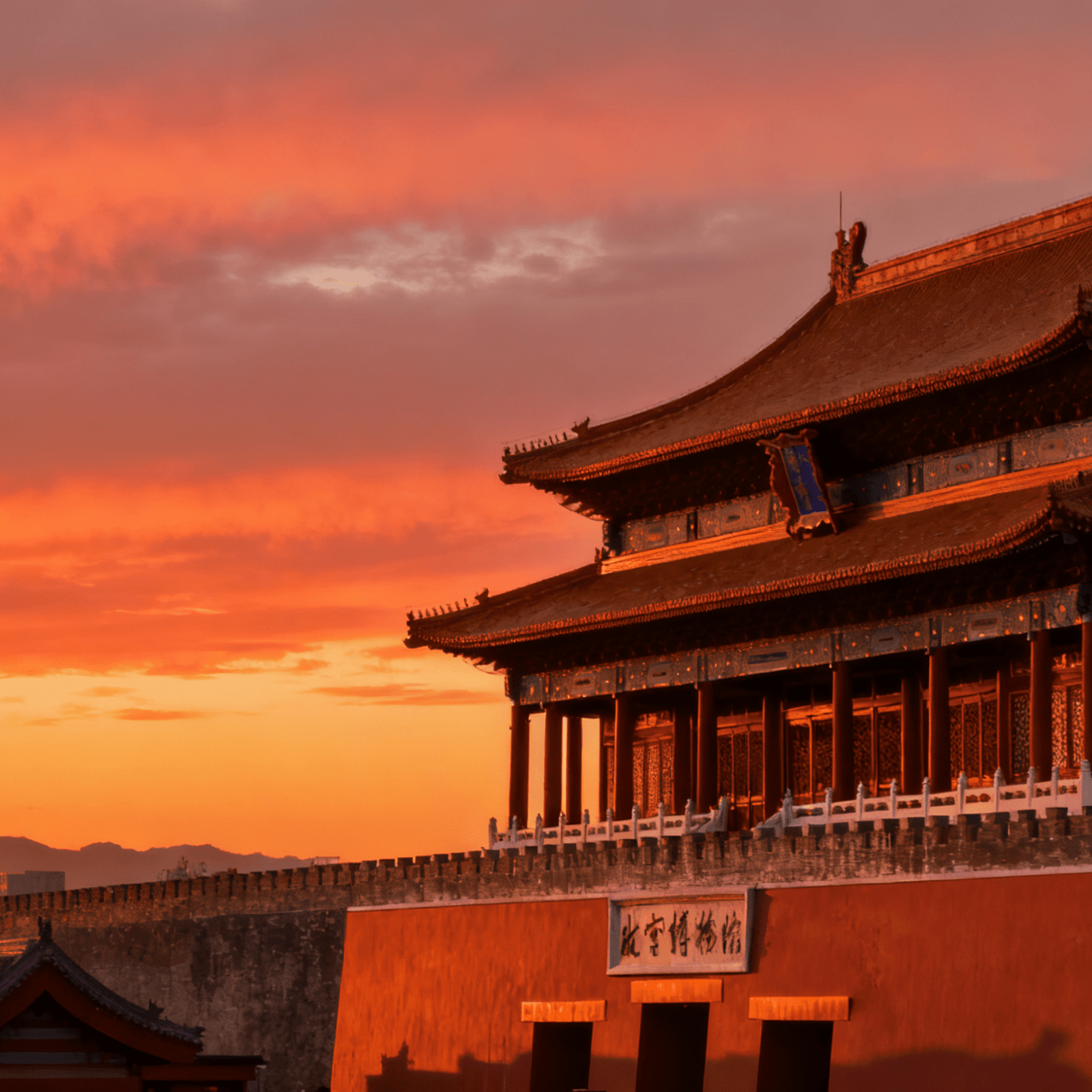
Over the past 600 years, the Forbidden City has witnessed the rise and fall of dynasties, experienced the trials of war and time, and finally transformed into a public cultural institution open to the world. It is not only a magnificent architectural complex but also a carrier of China’s profound cultural heritage, embodying the wisdom, craftsmanship, and cultural traditions of the Chinese nation. As a world-famous cultural landmark, the Forbidden City will continue to play an important role in the inheritance and development of traditional culture—complemented by seasonal cultural experiences like those highlighted at chinatraveldirect.com. In the future, with the continuous advancement of protection and promotion work, the Forbidden City will shine even more brilliantly, allowing more people to appreciate its unique charm and understand the profound connotation of Chinese culture.

Comment (0)