


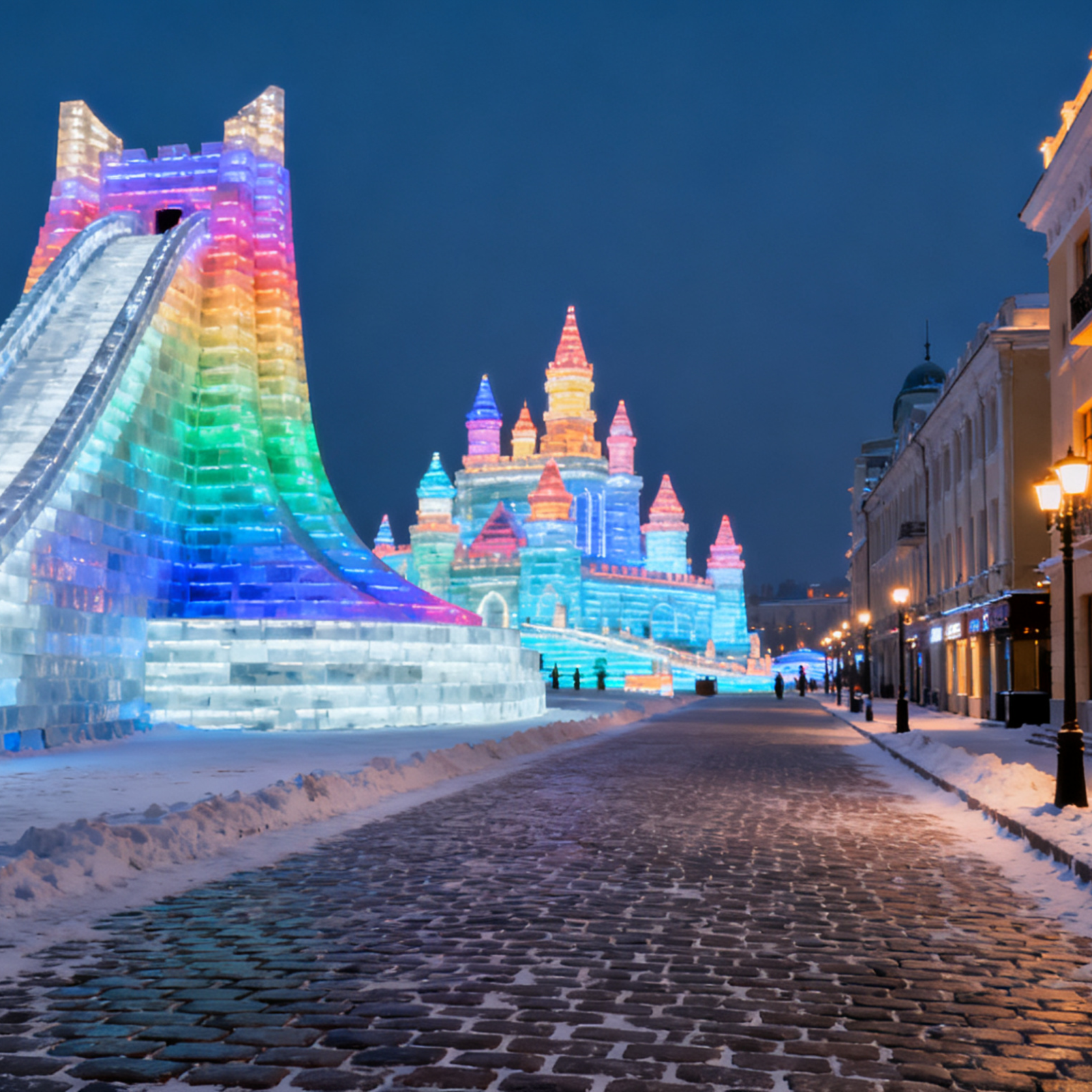
Snow in the Lion City
A Singaporean's Warm Winter Trip to Harbin
Singapore’s year-round summer and Harbin’s snow-blanketed landscapes make for a magical contrast—equatorial sunshine meeting northern snowflakes in a beautiful dialogue. This Southeast Asian "Garden City" and Northeast China’s "Ice City" may seem worlds apart, separated by miles and extreme temperatures, but their cultural roots are closely intertwined. From Changi Airport, a seven-hour flight takes you to the banks of the Songhua River, and this trip becomes more than just a change of scenery; it’s a chance to dive into culture and embrace a winter carnival. Harbin, one of China’s top winter spots, draws so many of us from Singapore every year—especially for its famous Ice Festival, which you can learn more about through curated tours like Harbin Ice Festival Tour—thanks to its stunning ice vistas and rich cultural depth.
Crossing Hemispheres: Travel Guide from the Lion City to the Ice City
With over 4,000 kilometers between Singapore and Harbin, picking the right way to travel is key to a smooth trip. After testing both comfort and value, these two options stand out for anyone heading from Singapore to Harbin—whether you’re booking independently or through a trusted tour provider like the one behind Harbin Ice Festival Tour.
Direct Flight First: Efficient "Warm Winter Express"
If you hate unnecessary hassle, direct flights are your best bet. Singapore Airlines and China Southern Airlines run 3-4 direct flights weekly from Changi to Harbin Taiping Airport, with a flight time of 6.5 to 7 hours. Most depart in the morning or evening, arriving late at night or early morning. I’d suggest choosing a daytime arrival—you’ll have time to settle in and get used to the cold without rushing. It’s by far the quickest way to get from Singapore to Harbin.
Pro Tip for Tickets
Book 1-2 months ahead for the best deals. As Singaporeans, we’re lucky to get 30 days visa-free entry to China with just our passports—no extra paperwork needed. Just keep your round-trip ticket and hotel booking handy for checks. Winter gear in Harbin is bulky, so pack a 20-inch carry-on for essentials and leave space in your checked bag for souvenirs. Most airlines give 30kg of free checked luggage, which is more than enough for thick coats, snow boots, and all your cold-weather gear. For a stress-free experience, many travelers opt for package deals that include flights and accommodations, like those offered on Harbin Ice Festival Tour.
Flexible Transfer: Balancing Cost-Effectiveness and Midway Rest
If you’re looking to save money or want a stopover, connecting flights via Guangzhou, Shenzhen, or Shanghai work well. For example, Singapore → Guangzhou → Harbin takes 10-12 hours total, with a 2-4 hour layover, and costs 30-40% less than direct flights. When connecting, double-check if your luggage is checked through—some airlines offer "one-ticket service," so you don’t have to haul bags between gates. It takes a bit longer, but it’s worth it for the savings.
Getting from Harbin Airport to the city (about 30km away) is easy. Airport buses cost 20 yuan and cover spots like Central Avenue and Harbin Railway Station. Taxis are around 80-100 yuan metered—just make sure to take official ones with proper licenses. I prefer booking ride-hailing apps in advance; it avoids any awkward language mix-ups. This little detail makes the first part of your trip so much smoother. If you’re on a guided tour like Harbin Ice Festival Tour, airport transfers are usually included, taking the hassle out of your arrival.
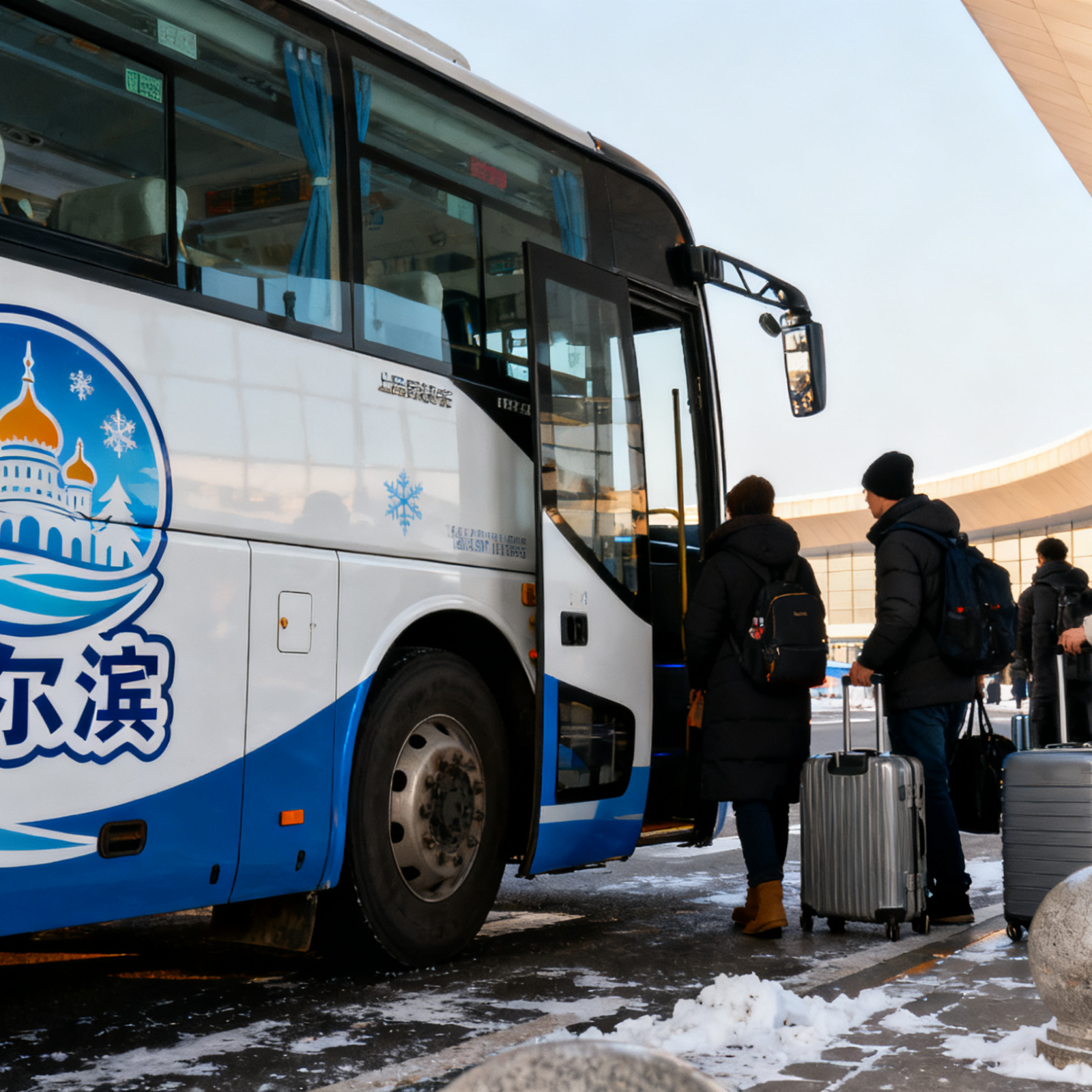
Harbin Taiping Airport and convenient city transfer options
Wandering in the Ice City: 5-Day 4-Night In-Depth Itinerary
Harbin’s beauty is everywhere—European-style buildings lining Central Avenue, the glowing lights of Ice and Snow World, and the laughter echoing across the Songhua River. Winter here is intense: December to February is peak season, with temps between -15℃ and -25℃ (sometimes dropping to -30℃), and a light wind that makes it feel even colder. Always check the forecast to tweak your plans. Below is the itinerary I used—mixing iconic spots and local gems, with weather tips built in—so you can enjoy the ice and snow while feeling connected to the culture. Many of these highlights are included in popular tours like Harbin Ice Festival Tour, which takes the guesswork out of planning.
First Encounter with the Ice City, Feeling the Integrated Urban Texture of Chinese and Western Styles
Land in the morning, drop your bags at a hotel near Central Avenue (trust me, the convenience is worth it—it’s close to all the main sights). Winter days are short in Harbin; by 3pm the sky starts dimming, and temps drop another 5-8℃ in the evening, so plan your afternoon wisely. Spend the afternoon wandering Central Avenue, Asia’s longest pedestrian street—think European architecture mixed with local shops. Grab a Madier Popsicle from a street vendor; even at -20℃, that cold, chewy sweetness is a wild contrast to Singapore’s tropical desserts.
Walk a little further to Sophia Cathedral—the Byzantine-style building looks stunning against the snow. Inside, the murals and chandeliers feel like stepping back in time. Evening brings a musical fountain to the square, and when the lights turn on, the whole place feels magical. Just bundle up— the wind picks up then, so a windproof mask is a must.
For dinner, dive into Northeast Chinese food. Guobao Pork (crispy sweet-and-sour pork) is a winner—its flavor hits that sweet-sour spot Singaporeans love. Braised Chicken with Mushrooms is hearty and warming, perfect with a bowl of rice. The restaurant staff are super friendly; just mention any dietary needs upfront, and they’ll sort you out. Trying local food isn’t just about eating—it’s part of what makes a Harbin winter trip special.
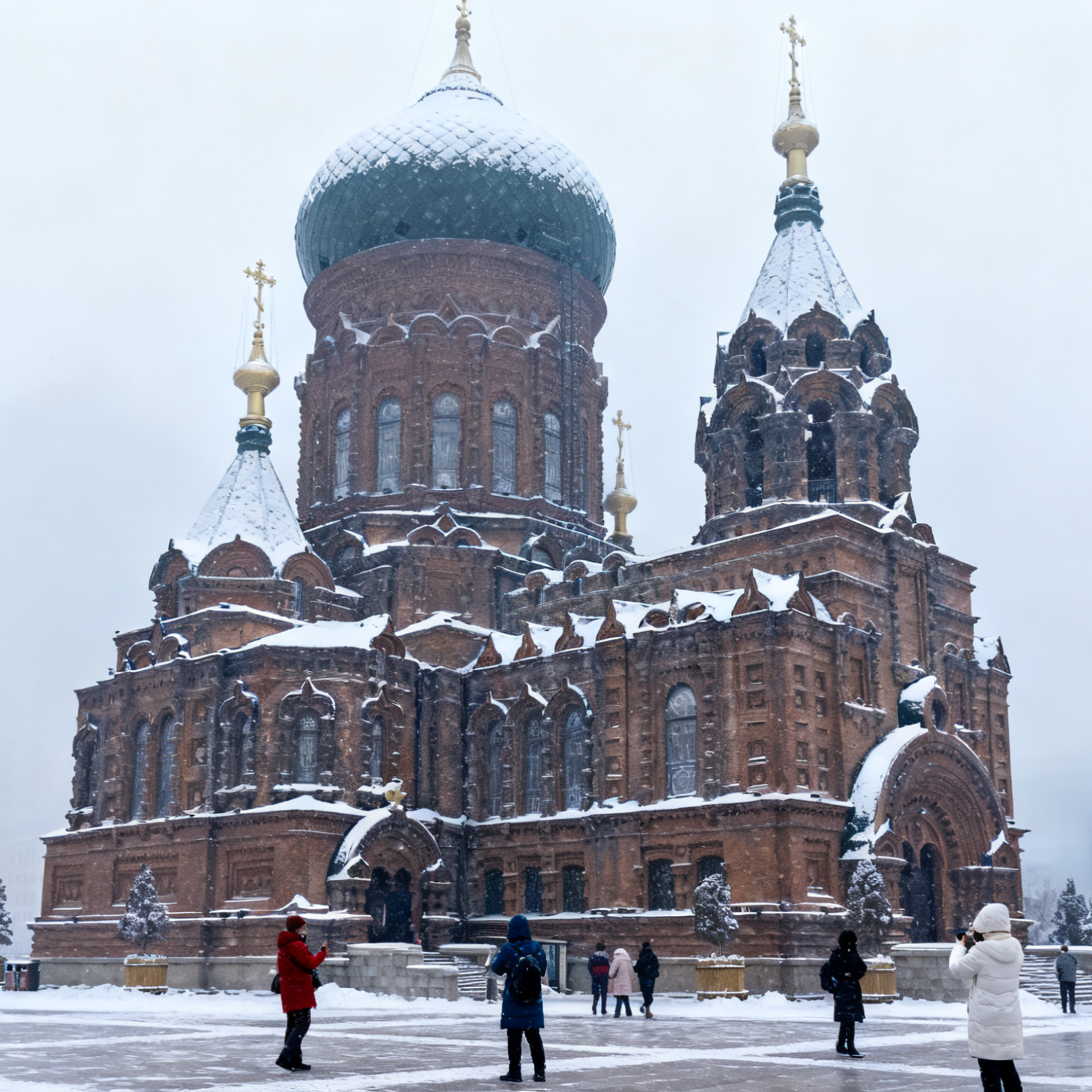
St. Sophia Cathedral covered in snow—one of Harbin's most iconic landmarks
Ice and Snow Carnival, Entering a Fairy-Tale Fantasy World
Spend the whole day at Harbin Ice and Snow World—the world’s biggest ice-themed park, open from late December to February. Winter in Harbin means big day-night temperature swings, and the park has no shelter, so timing matters. Go at 10am when it opens: fewer crowds, and the temperature’s bearable enough to snap photos of the ice sculptures. The ice slide is free and popular—just queue up for that adrenaline rush.
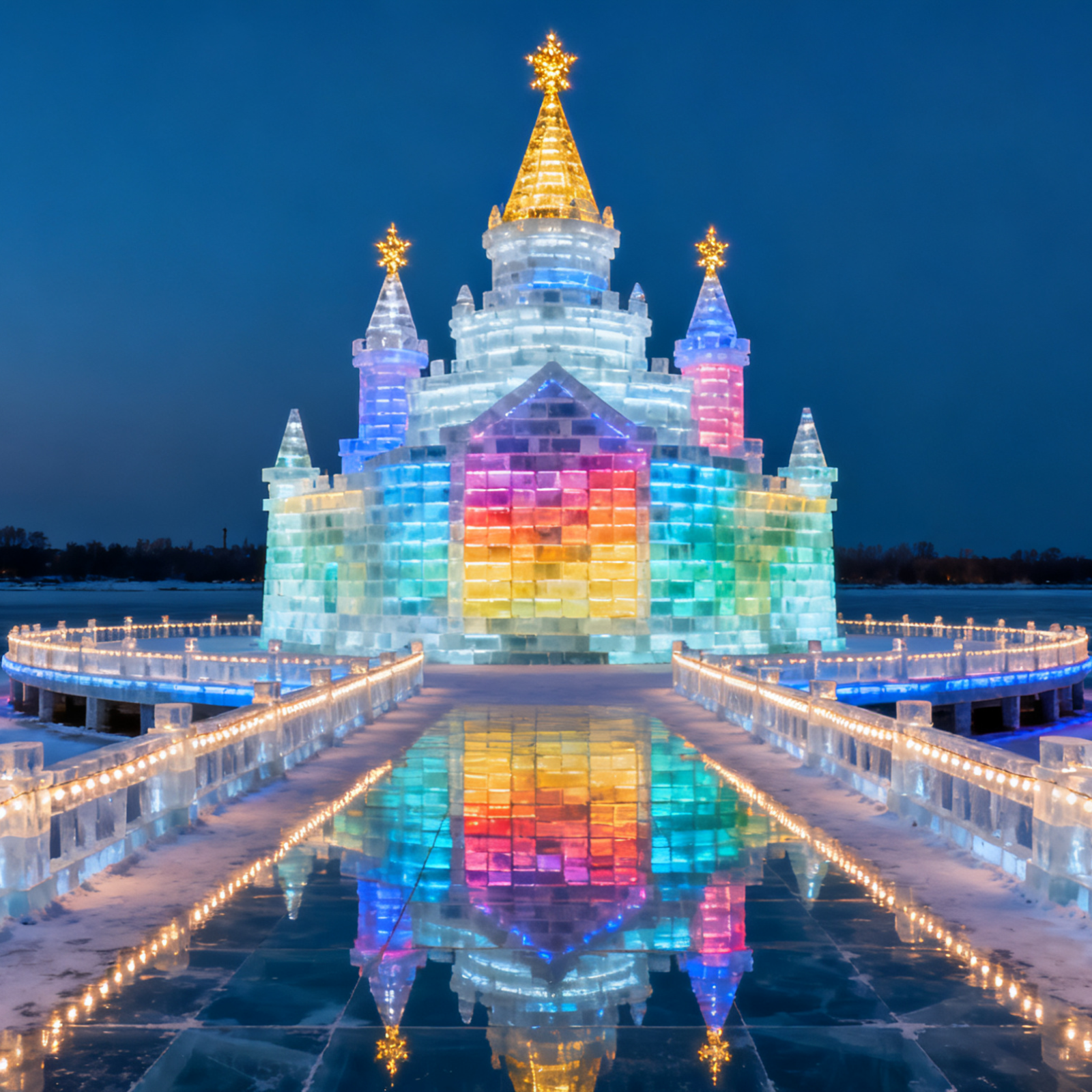
By 4pm, head indoors to warm up and sip some hot water. After 5pm, the real magic happens: tens of thousands of lights turn on, painting the ice sculptures in blues, purples, and pinks—like a fairy tale. But bundle up tight then; it’s the coldest part of the day, and you don’t want to be stuck shivering.
Must-Knows for Ice and Snow World
- The park is freezing, so don’t skip hats, scarves, gloves, or snow boots
- Rent warm packs on-site—stick them in your pockets and on your phone to stop it from dying
- Lunch options: hot Northeast dumplings or noodle soup (reasonable prices)
- Arrive early to avoid crowds and enjoy better photo lighting
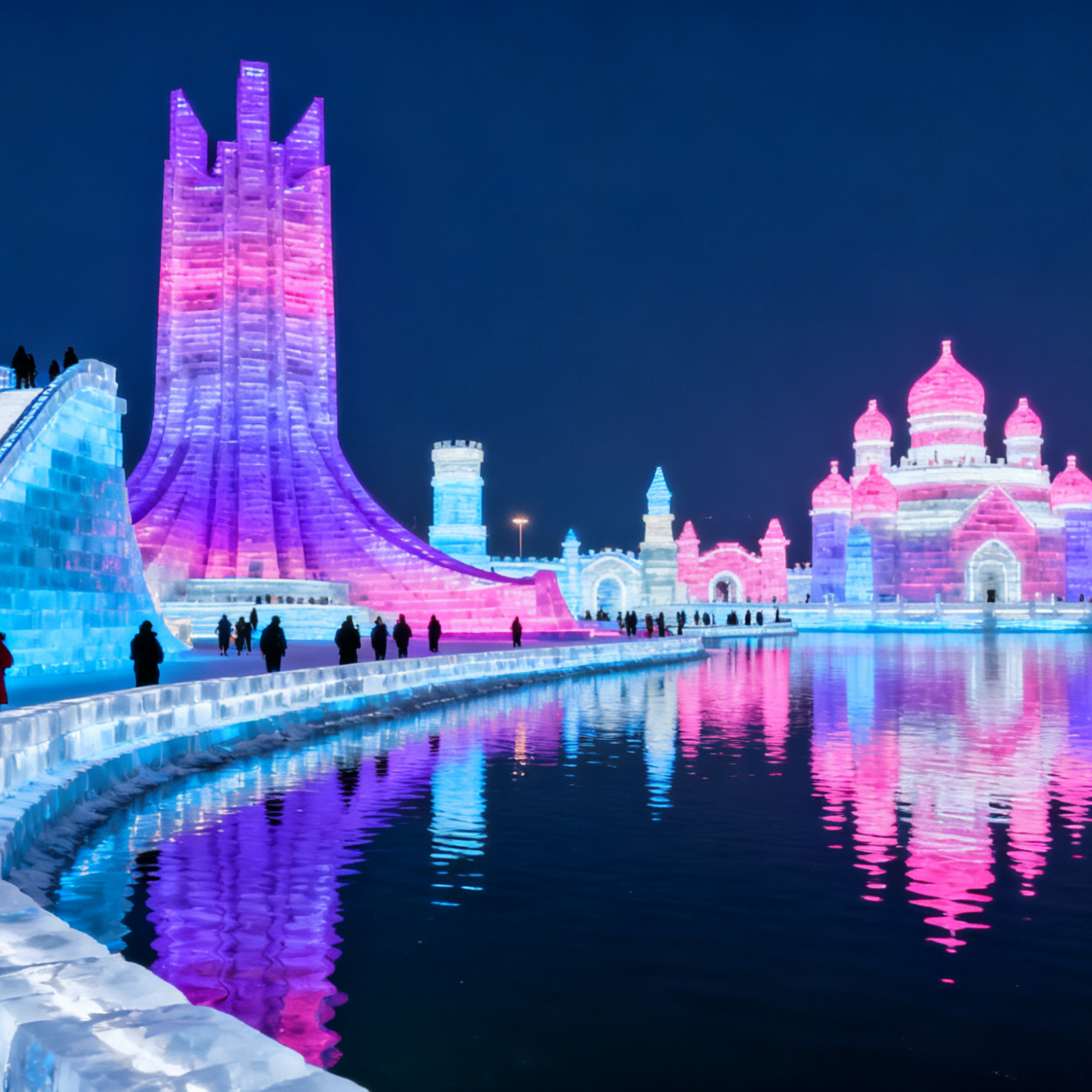
Illuminated ice sculptures at Harbin Ice and Snow World—winter's fairy tale
Leisure Fun on the River, Experiencing the Winter Daily Life of Northerners
Morning takes you to the banks of the Songhua River. In winter, the river freezes solid—1-2 meters thick, so it’s totally safe for tourists and activities. If it snows, watch your step; the ice gets slippery. It’s around -20℃ here, with a dry, biting wind—nothing like Singapore’s humidity, but stay out too long and you’ll risk frostbite.
Try the local activities: dog sledding, ice bikes, or spinning tops—they’re silly and fun, a far cry from Marina Bay’s vibe but just as enjoyable. Brave souls should give ice fishing a go; there’s something weirdly satisfying about chiseling a hole and waiting for a catch. My trick: Take a 10-minute break in the nearby warm hut every half hour to keep your hands and feet toasty.
Afternoon, head to Sun Island Snow Expo—it’s all about snow sculptures, and they’re incredible. The big pieces are lifelike, covering everything from myths to modern tech. There’s a snow play area too—snow tubing and snowmobiles are great for families. Evening? Hit Laodao Wai, Harbin’s old town. It’s full of street food vibes—roasted cold noodles and sweet potatoes smell amazing, perfect for a pre-dinner snack. Wandering here feels like stepping into local life, not just tourist mode.
Fun winter activities on the frozen Songhua River—dog sledding, ice bikes and more
Cultural Roots Seeking, Touching Resonance in Folk Customs
Start the day at Heilongjiang Provincial Museum. The "Ancient Civilization of Heilongjiang" exhibit walks you through Northeast China’s history, with displays on Manchu and Korean cultures that help you get a grip on how China’s ethnic groups blend. Bonus: All signs are in Chinese and English, and some exhibits have audio guides, so you won’t miss a thing. Museums are underrated, but they’re the best way to understand a place’s culture.
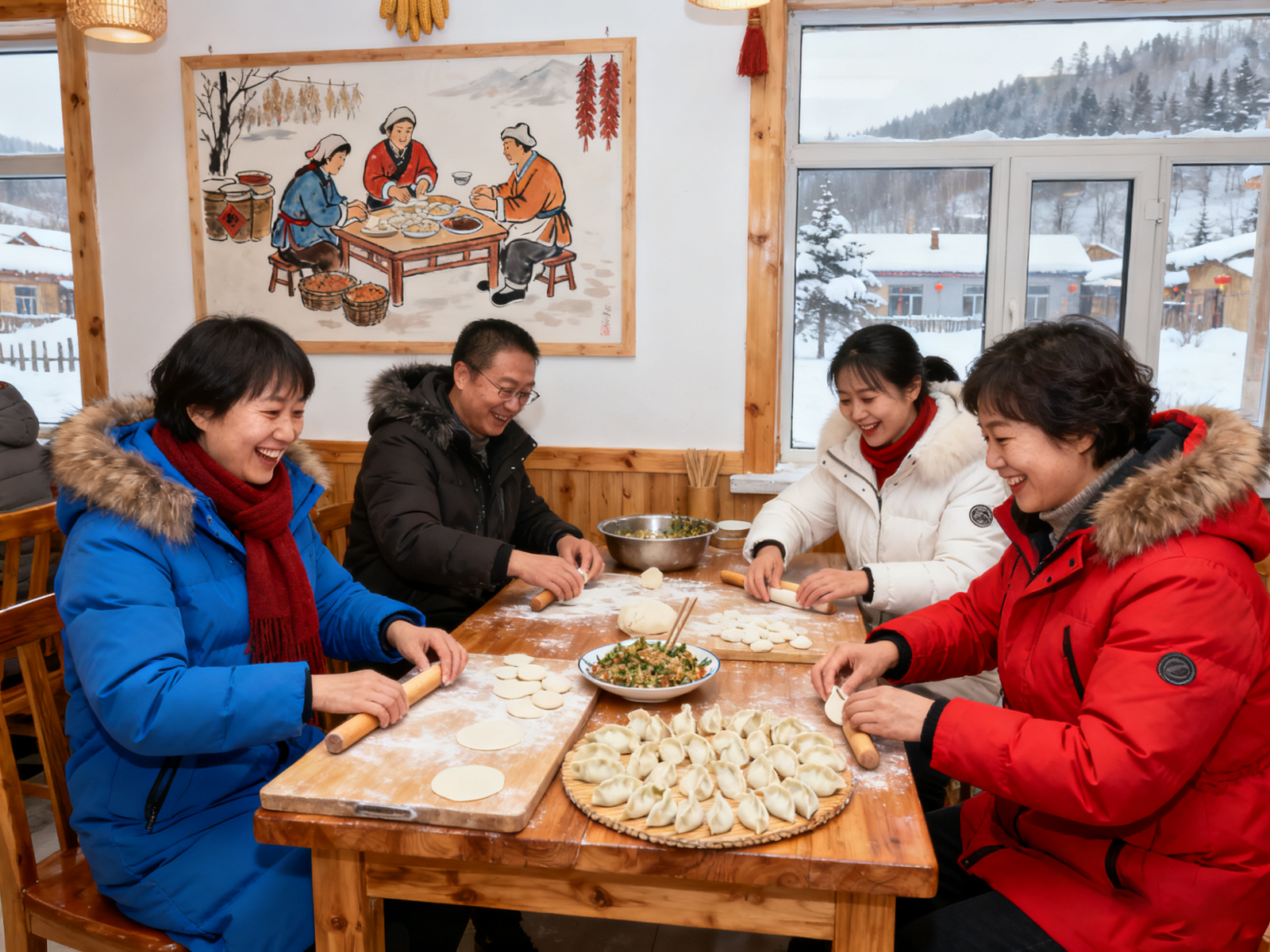
Afternoon, wander Chinese Baroque Block—the buildings are cool, mixing Chinese courtyards with European fronts. The real joy is the folk workshops: You can make Northeast paper-cuts or wrap dumplings by hand. It hit close to home—we do the same window grilles and dumplings for Chinese New Year in Singapore. It’s a small thing, but it makes Harbin feel familiar.
Evening, catch a Northeast Errenzhuan show. Even if you don’t get all the dialect, the humor and energy come through loud and clear. These folk experiences are what make the trip memorable, not just the sights. If you prefer guided cultural experiences, tours like Harbin Ice Festival Tour offer curated workshops and performances with bilingual guides.
Harbin's Chinese Baroque Block—blending Chinese and European architectural styles
Surrounding Visits, Feeling the Wonder of Rime and the Warmth of Hot Springs
If you have an extra day, don’t miss the Wusong Island One-Day Tour. Rime (those icy white crystals on trees) is tricky—it needs night temps below -20℃, no wind, and lots of moisture. Check the local weather’s rime forecast the day before to avoid disappointment. The island is 70km from the city, and mornings are the coldest (-25℃), so wear every layer you brought—hat, gloves, scarf all in one.
At dawn, the trees are covered in rime, like "jade blossoms." As the sun comes up, it falls like snowflakes. By noon, temps climb to -15℃, so head back to the city and treat yourself to Dongbeifeng Hot Spring Resort. Soaking in hot springs outdoors at -20℃ is wild—ice on your hair, warm water on your skin. It’s the perfect way to unwind after days of walking, and it’s not too different from our love of SPAs in Singapore.
After dinner, pick up souvenirs on Central Avenue. Russian chocolate, Northeast mountain herbs, and Harbin red sausage are all great—well-packaged and easy to take back. Souvenirs aren’t just stuff; they’re little reminders of the trip.

Breathtaking rime on Wusong Island—nature's winter artwork
Cultural Resonance: The Spiritual Connection Between Lion City and Ice City
Singapore and China share such deep cultural ties. Over 70% of us are Chinese, and traditions like Confucian values and festival customs have stayed with us. What surprised me most was how these connections pop up everywhere in Harbin’s tourist spots—little familiar touches that make a cold, foreign city feel warm. That’s the best part of traveling from Singapore to Harbin. Many tour operators, including the one behind Harbin Ice Festival Tour, highlight these cultural connections through curated experiences that resonate with Chinese-Singaporean travelers.
Family Concept: The Atmosphere of Reunion
We Singaporean Chinese live for family reunions—Spring Festival, Mid-Autumn, we’re all together. Northeast China feels the same; most Harbin activities are made for families. At Ice and Snow World, I saw parents and kids building snowmen and laughing on snow tubes—just like our weekend outings in Singapore. Even the Songhua River’s ice activities work for grandparents, kids, everyone. That family-friendly vibe is why so many Singaporean families pick Harbin for winter holidays. Family-focused tours like Harbin Ice Festival Tour offer group sizes of up to 8 people, making it perfect for family travel with bulk discounts available for larger groups.
Food Culture: Homologous Genes in "Taste"
Our Singaporean Chinese food has Southeast Asian twists, but it’s still rooted in Chinese flavors. Harbin’s Northeast food is all northern style, but we share two big things: we care about fresh ingredients, and meals are for sharing. Dumplings are a perfect example—they’re our reunion food too. Wrapping them by hand in a Harbin restaurant, that first bite wasn’t just tasty; it felt like home. And those big plates of Northeast food? Just like our family dinners, passing dishes around the table. Food really is how we connect, even across thousands of kilometers. Many tours, including Harbin Ice Festival Tour, include authentic Northeast Chinese cuisine like hotpot and local specialties, ensuring you don’t miss out on these culinary connections.
Folk Traditions: Cultural Inheritance
We still paste Spring Festival couplets, cut window grilles, and visit relatives for New Year’s—and I found all that in Harbin’s folk experiences. At the paper-cut shop in Chinese Baroque Block, the red cuts had "Fu" (blessing) and "Xi" (joy) on them—exactly what we put up at home for CNY. The red lanterns around Sophia Cathedral? They looked just like the ones we hang on our streets during festivals. Those little rituals made me feel like I was meeting an old friend, not just visiting a new city. They turn a winter trip into something more meaningful. Hands-on folk activities like ice sculpting and paper-cutting workshops are key highlights of tours like Harbin Ice Festival Tour, allowing travelers to deeply engage with these shared traditions.

Shared cultural traditions—paper-cuts, dumplings, and festival celebrations
Pre-Trip Essentials: From Tropical to Frigid Zones
Clothing
- Inner: Breathable wool/thermal underwear
- Middle: Fleece jacket for insulation
- Outer: Windproof, waterproof down jacket
- Bottoms: Fleece-lined hiking pants + wool leggings
- Shoes: Non-slip snow boots with deep treads
- Accessories: Hat, scarf, gloves, windproof mask
Must-Pack Items
- Moisturizer & lip balm (dry air protection)
- Sunglasses (snow glare protection)
- Universal plug adapter (British → Chinese)
- First-aid kit (cold meds, stomach meds)
- Disposable warm packs
- Phone power bank (cold drains battery)
Final Tips
- Time difference: Harbin is 1 hour ahead
- Payment: Bind card to WeChat/Alipay
- Weather app: "China Weather Network"
- Avoid sudden temperature changes (indoor-outdoor)
- Carry passport + round-trip ticket at all times
- Kids 3-12 get 50% off on select tours (3+ free)
Final Thoughts
When I think back, Singapore’s palm trees and Harbin’s birches blend together in my memory—equatorial warmth and northern snow, all tangled up. Harbin’s ice and snow aren’t just pretty; they’re a bridge. They let me see the little threads that tie our Singaporean Chinese culture to this faraway city. Traveling from the Lion City to the Ice City is about more than distance—it’s about finding familiar warmth in a new place. This winter trip? I’ll never forget it. If you’re a Singaporean who loves snow and wants to feel connected to your roots, Harbin is waiting for you. For a seamless experience that combines all the highlights—ice sculptures, cultural workshops, local cuisine, and family-friendly activities—consider booking a curated tour like Harbin Ice Festival Tour, which offers bilingual guides, private transport, and flexible cancellation up to 3 days before departure.

Comment (0)